How Often Should You Repaint Interior Walls in a Portland Home?
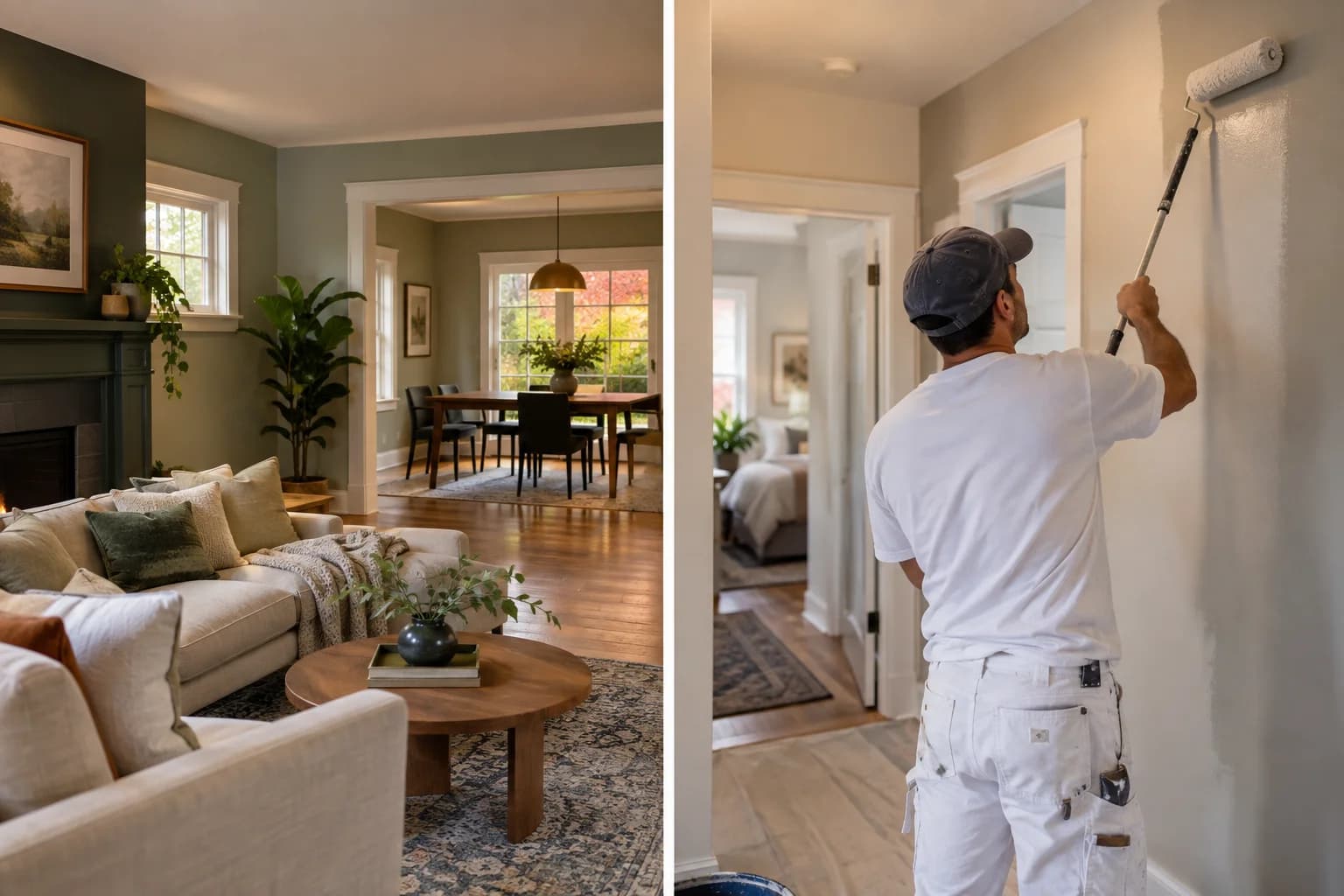
Most Portland homeowners should repaint interior walls every five to seven years, but that’s a general guideline rather than a fixed schedule. Hallways, kitchens, bathrooms, and children’s rooms often need attention sooner. Adult bedrooms and other low-traffic spaces may still look good after eight years or longer. The right timing depends on how you use the room, the condition of the walls, and whether the existing paint still cleans up well.
At Cascade Painting & Restoration, we recommend looking at the walls themselves instead of repainting simply because a certain number of years has passed. Fading, stubborn marks, damaged drywall, peeling paint, and a finish that no longer cleans easily all give you better information than the calendar.
How Often to Repaint Interior Walls by Room
Different rooms experience very different levels of wear. A hallway used by a busy household won’t age at the same rate as a guest bedroom that sits empty most of the year.
Here are reasonable starting points for a Portland home:
- Living rooms and dining rooms: About every five to seven years
- Adult bedrooms and guest rooms: Around seven to ten years
- Children’s bedrooms and playrooms: Roughly every three to five years
- Hallways, stairwells, and entryways: About every two to four years
- Kitchens and bathrooms: Usually every three to five years
- Ceilings: Often eight to ten years unless stains or damage appear
- Trim, doors, and baseboards: As needed, since these surfaces take more direct contact
Your actual schedule could fall outside these ranges. A home with children, pets, frequent guests, or narrow passageways will usually show wear faster. In a quieter household, the same paint may remain presentable for much longer.
Paint quality and surface preparation also affect how long the finish holds up. Paint applied over dirt, gloss, moisture damage, or incomplete repairs may start looking rough well before a properly prepared wall.
Living Rooms and Dining Rooms
Living and dining room walls generally hold up well because they don’t face the same moisture or cleaning demands as kitchens and bathrooms. Five to seven years is common, though the room’s layout matters.
Furniture can rub against walls and create polished or darkened patches. Artwork may leave nail holes or faded outlines, especially on walls that receive direct daylight. Soot from a fireplace, fingerprints around switches, and scuffs near seating areas also add up gradually.
Try cleaning a small area before deciding to repaint the entire room. If the marks come off without changing the sheen or color, the paint may have more life left. If cleaning leaves shiny patches or exposes earlier repairs, repainting will give the room a more even appearance.
Bedrooms, Children’s Rooms, and Playrooms
Adult bedrooms often go the longest between paint projects. They tend to receive less traffic, fewer impacts, and less frequent cleaning than common areas. A well-maintained bedroom may not need repainting for seven to ten years unless you want a different color.
Children’s rooms usually need a shorter schedule. Marks from toys, furniture movement, tape, stickers, crayons, and frequent touching can make the walls look worn within a few years. Repainting every three to five years is reasonable, but you may decide to do it earlier as the child grows and the room’s use changes.
Before repainting, remove adhesive carefully and inspect the drywall paper underneath. Pulling stickers or tape too quickly can tear the surface. Those areas need repair and primer before new paint goes on.
Hallways, Stairwells, and Entryways
Hallways and stairwells often show wear before the rooms around them. People brush against the walls, carry bags and furniture through narrow spaces, and touch corners or railings as they move through the house.
Entryways also collect marks from wet jackets, shoes, backpacks, pets, and items brought inside during Portland’s rainy months. You may notice darkened areas around switches, chipped outside corners, or repeated scuffs at the same height.
These spaces often need repainting every two to four years. Sometimes a thorough cleaning and several small touch-ups will extend the existing finish. A full repaint makes more sense when the color or sheen has become uneven across a large area.
Kitchens and Bathrooms
Kitchens and bathrooms usually need repainting every three to five years because moisture, cooking residue, and regular cleaning place more stress on the finish.
Kitchen walls can collect grease and airborne residue even when they don’t look visibly dirty. Areas near the stove, sink, trash can, and frequently used cabinets tend to show wear first. Paint may also discolor differently behind appliances or wall decor.
Bathroom paint deals with steam, condensation, splashes, and frequent changes in humidity. Poor ventilation can lead to staining, peeling, or mildew on the surface. Repainting won’t correct an active ventilation or moisture problem, so address the source before covering the damage.
Paint and other household products can release volatile organic compounds during use. The U.S. Environmental Protection Agency recommends increased ventilation when using products that emit VOCs. Low-VOC paint options are available through our interior painting services for homeowners concerned about odor and indoor air during a project.
Signs Your Walls Need Paint Sooner
You don’t have to wait for widespread peeling before scheduling a repaint. Look for changes that cleaning or a quick touch-up won’t solve.
Common signs include:
- Scuffs or stains that remain after gentle cleaning
- Faded areas near windows or skylights
- Shiny patches caused by repeated wiping
- Chipped paint around corners, doors, and switches
- Visible nail holes, dents, or old patchwork
- Cracks that continue through the finish
- Peeling, bubbling, or flaking paint
- Water stains or recurring discoloration
- A color that looks uneven from one wall to another
Peeling or bubbling deserves closer attention. Moisture, poor adhesion, or an unstable layer underneath the current paint may be causing the problem. Applying another coat without correcting the cause usually leads to the same failure.
Should You Touch Up the Wall or Repaint the Room?
Touch-ups work best when the paint is relatively new, the damage covers a small area, and you still have the original paint. Even then, an exact match isn’t guaranteed. Stored paint can change over time, and the finish on the wall may have faded or worn since the room was painted.
Sheen affects the result too. Flat finishes generally blend more easily than satin or semi-gloss finishes. On walls with a noticeable sheen, a touch-up may look duller or shinier depending on the light.
Repainting the full wall from corner to corner usually gives a cleaner result when the repaired area is visible. If several walls show wear, repainting the entire room keeps the color and sheen consistent.
Wall Damage Should Be Repaired First
New paint won’t hide dents, ridges, loose drywall tape, mismatched texture, or raised patchwork. In rooms with large windows, surface flaws become especially noticeable as daylight moves across the wall.
Small nail holes may require only a basic patch and sanding. Larger cracks, water-damaged areas, or poorly blended repairs need more preparation. Our drywall repair services include wall and ceiling patching, water-damage repair, and texture matching.
Find the source before repairing any stain linked to a roof, plumbing, window, or condensation issue. Once the affected area is dry and stable, the wall can be repaired, primed, and painted without simply covering evidence of an unresolved problem.
Paint Finish Affects Maintenance
The finish you choose influences how easily the walls clean and how visible imperfections become.
Flatter finishes reflect less light and tend to make minor surface flaws less noticeable. They work well in low-traffic rooms, though repeated scrubbing may change their appearance.
Eggshell and satin finishes usually tolerate cleaning better, which makes them practical for active living spaces and hallways. They reflect more light than flat paint, so dents and uneven patches may stand out.
Glossier finishes resist moisture and cleaning but show surface irregularities clearly. Homeowners often use them selectively on trim, doors, cabinets, and other areas that receive frequent contact.
Room use, existing wall condition, natural light, and cleaning habits should guide the decision. There isn’t one finish that works best throughout every home.
When It Makes Sense to Repaint Before the Walls Wear Out
Sometimes repainting has little to do with damage. A new color may make sense after buying a home, changing furniture, converting a bedroom into an office, or preparing the property for sale.
A larger renovation can also leave walls with patched openings, moved fixtures, and inconsistent paint. Repainting after the repairs creates a continuous finish instead of a collection of noticeable touch-ups.
If you plan to paint several rooms, consider how they connect. Open floor plans, shared sightlines, and continuous hallways often look better when you coordinate the work rather than choosing each wall separately.
Plan Your Portland Interior Repaint Around Condition
Use five to seven years as a starting point, then adjust based on the room. Busy hallways and children’s spaces may need paint after only a few years, while a lightly used bedroom could last close to a decade.
Check whether the walls clean evenly, inspect stains and cracks, and identify repairs before choosing a color. Those steps will tell you whether you need a touch-up, one repainted wall, or a complete room.
Cascade Painting & Restoration paints walls, ceilings, trim, doors, and cabinets throughout the Portland Metro area. If your walls show uneven wear or you’re unsure what preparation they need, contact our team for a free on-site estimate. We’ll walk through the space, review the wall condition, and define the work before painting begins.
Recent Blogs
august 3, 2026
Painting an Older Portland Home: What Should Be Checked First?
july 20, 2026
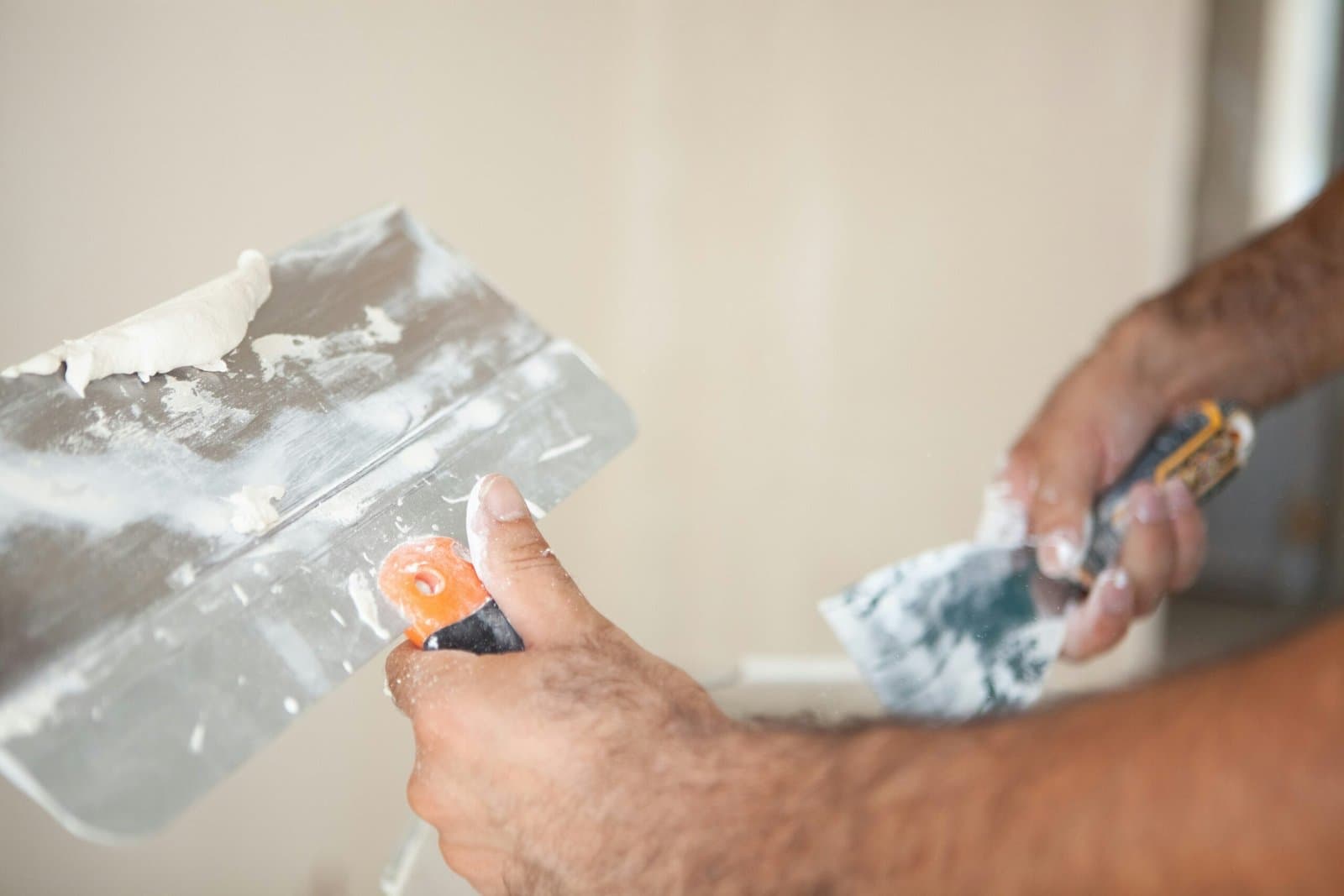
Drywall Repair Before Painting: Why Smooth Walls Matter
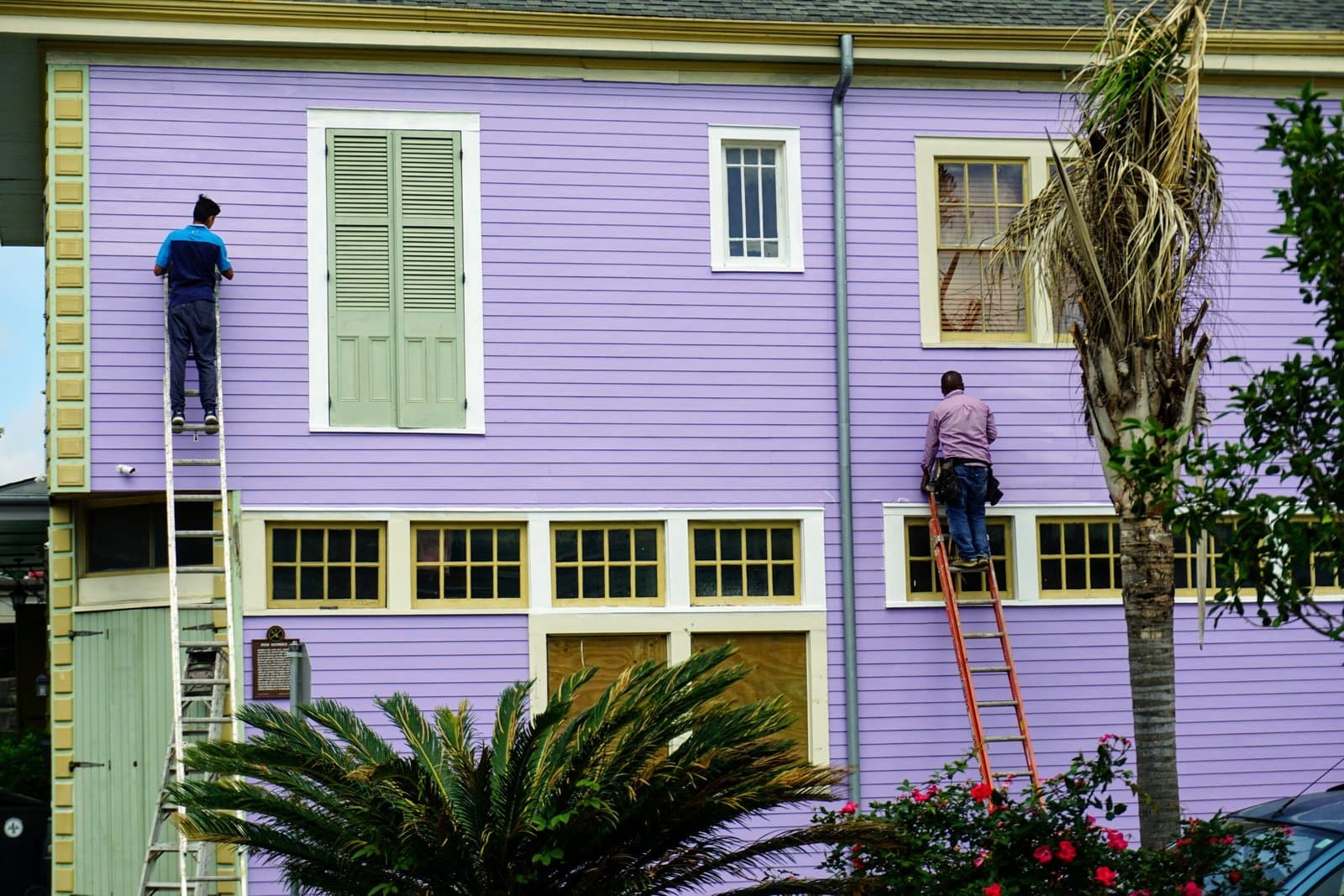
july 14, 2026
How to Prepare Your Home Before Professional Painters Arrive
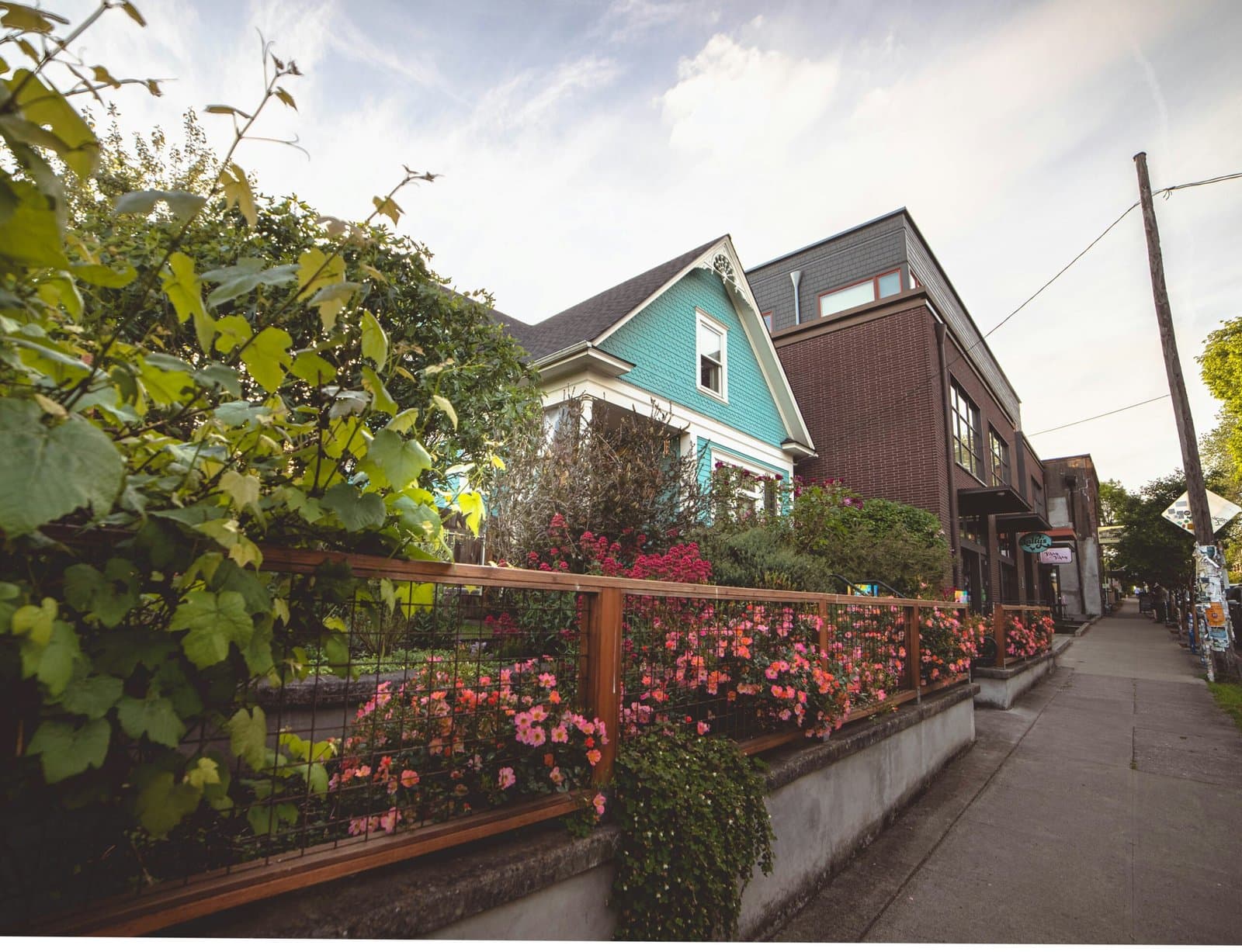
july 8, 2026
Exterior Painting in Portland: Why Prep Work Matters in a Wet Climate
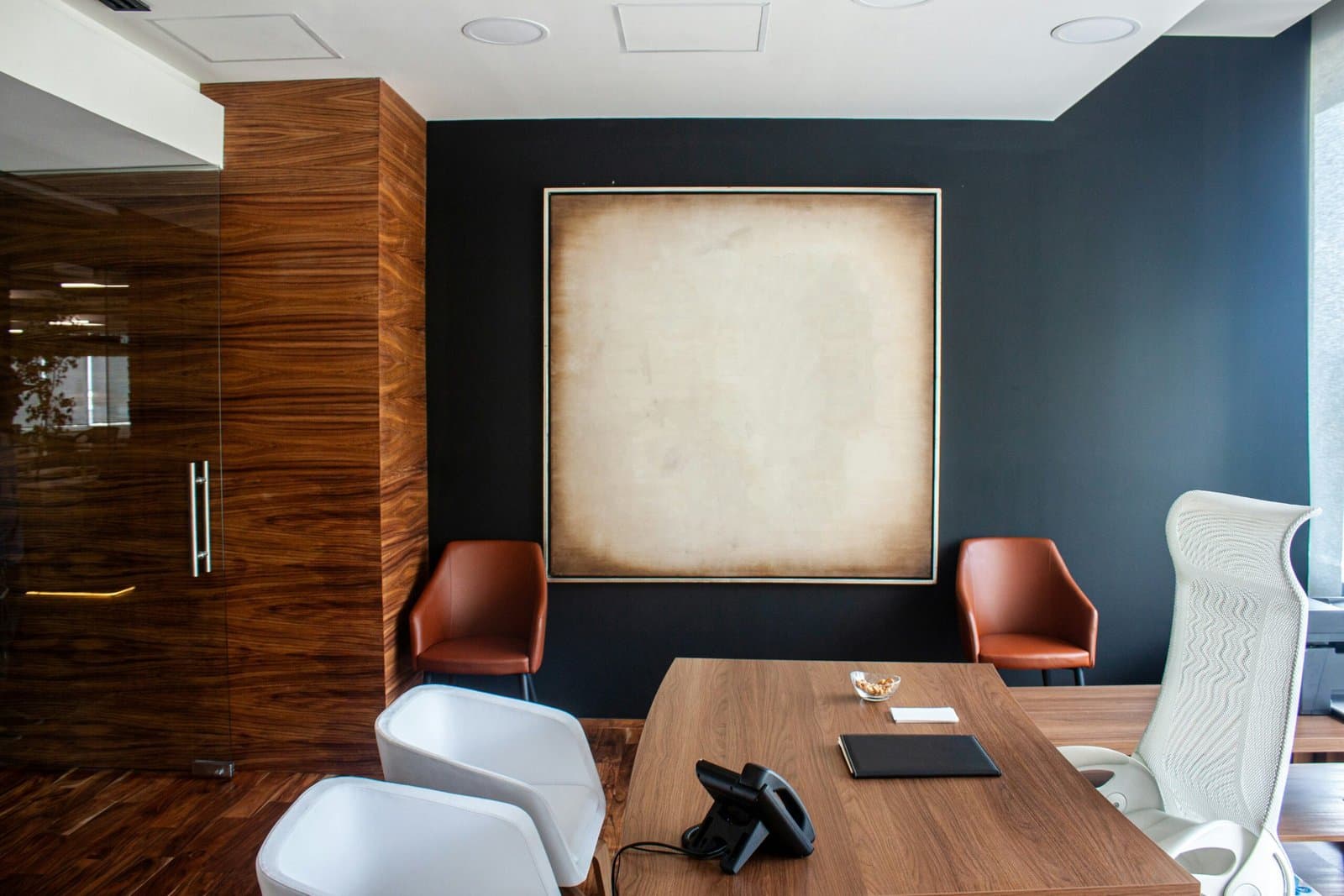
july 2, 2026
Commercial Painting in Portland: How to Refresh Your Space Without Disrupting Business
Contact Information
Reach out to us for a free estimate. We're here to help with all your painting needs.
- Call At:(503) 936-3255
- Email Us At:cascadepaintandres@gmail.com
- Hours:Mon–Sun 8 AM – 6 PM
- Serving:Portland Metro Area