How Wall Texture Affects Paint Color, Sheen, and Room Lighting
Wall texture changes how paint color, sheen, and light look across a room. Smooth walls reflect light more evenly and create a cleaner appearance, while textured walls break up that reflection and make the same paint color look slightly darker or less consistent. Before choosing paint, consider the existing wall surface along with the color itself.
At Cascade Painting & Restoration, we look at wall condition, texture, lighting, and the desired finish when planning an interior project. Our interior painting services cover walls, ceilings, trim, doors, and cabinets throughout the Portland metro area. Evaluating the surface first gives homeowners a more accurate idea of how the completed room will look.
How Wall Texture Affects Paint
Paint follows the surface beneath it. It changes color and sheen, but it does not flatten texture, erase patch edges, or create a smooth wall by itself.
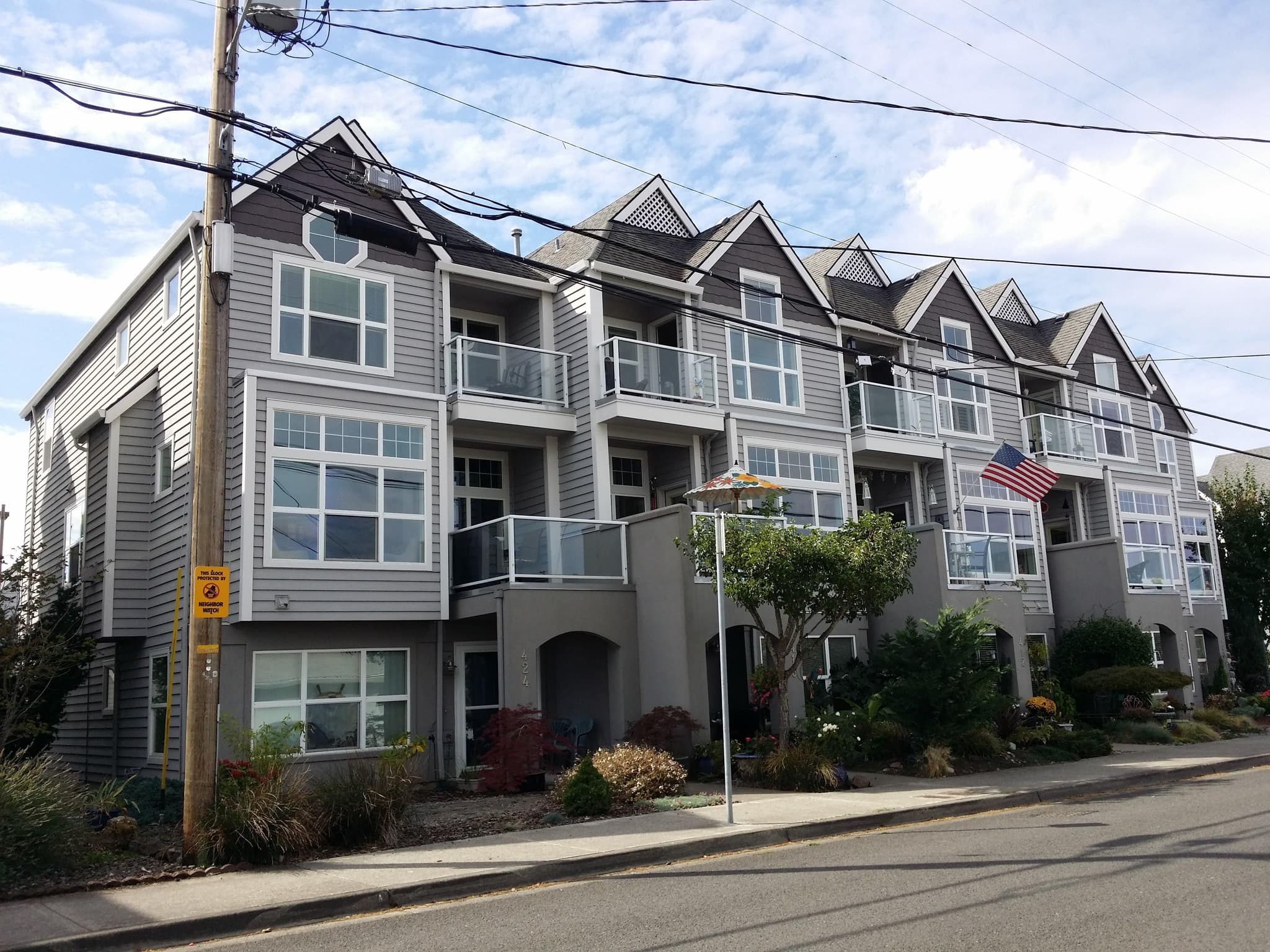
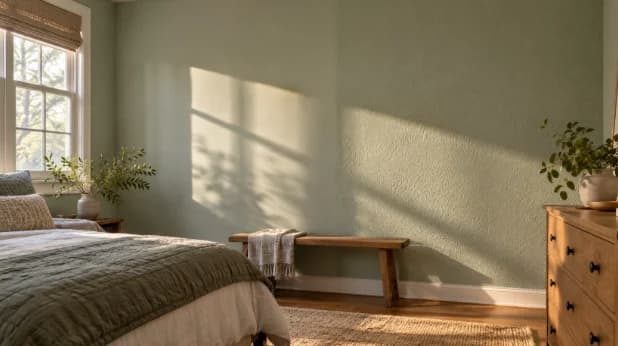
A textured wall contains raised and recessed areas. Light strikes those areas from different angles, creating small highlights and shadows across the surface. The effect may be subtle on a light orange-peel texture or much more noticeable on heavy knockdown.
Smooth walls reflect light in broader, more continuous sections. This creates a cleaner visual field, but it also makes dents, sanding marks, uneven drywall seams, and poor patches easier to see.
Two rooms painted with the same color and product can look different if one has smooth walls and the other has texture. The difference becomes stronger under side lighting, darker colors, and higher-sheen coatings.
Smooth Walls Create a Cleaner but Less Forgiving Finish
Smooth walls suit interiors where homeowners want crisp lines and an uninterrupted surface. They often work well with contemporary rooms, detailed trim, statement lighting, or saturated paint colors.
The surface preparation needs to support that look. Window light moving sideways across a wall can expose shallow ridges, nail pops, joint lines, and variations between old and new repairs. A smooth wall in direct light requires more careful patching and sanding than a textured surface in a dim hallway.
Paint sheen also affects the result. Flat and matte coatings absorb more light and tend to soften minor flaws. Eggshell adds some reflectivity, while satin makes surface variations easier to see.
A smooth wall does not need to be flawless under every possible angle, but widespread damage should receive attention before painting. Our drywall repair services address holes, cracks, damaged sections, and mismatched repairs that would otherwise remain visible beneath the new coating.
Dark colors demand an especially consistent surface. Deep green, navy, charcoal, and other saturated colors often show patching or sheen differences more clearly than soft mid-tone shades. Strong daylight and directional fixtures increase that effect.
Textured Walls Break Up Reflected Light
Wall texture scatters light across a series of small raised areas. That visual movement can disguise minor surface irregularities and make older or frequently repaired walls appear more consistent.
Orange-peel texture has a fine, lightly dimpled appearance. Knockdown texture creates wider, flatter high points with visible low areas between them. Heavier textures produce stronger shadows and a more obvious pattern.
Texture affects color perception because the entire wall does not receive light evenly. A paint color may look slightly deeper on a heavily textured surface than it does on a smooth sample board. The recessed areas remain shadowed, while the raised portions catch more light.
This effect becomes noticeable with:
- Dark or highly saturated colors
- Strong directional lighting
- Lamps placed close to walls
- Large windows that produce side lighting
- Higher-sheen paint
- Heavy or inconsistent texture
Texture may also influence how large or calm a room feels. A fine, consistent pattern often recedes visually. Heavy texture draws more attention and can make a wall feel busier, especially under satin or glossy paint.
If you like the existing texture, inspect it before repainting. Previous patches sometimes carry a different pattern from the surrounding wall. Fresh paint may make those mismatched areas easier to see because the new coating creates a uniform color across two different surfaces.
Paint Sheen Looks Different on Textured and Smooth Walls
Sheen describes how much light the painted surface reflects. The wall texture determines how evenly that reflected light reaches your eyes.
Flat and matte paint usually reduce the visual emphasis on texture. These finishes absorb more light, so they create fewer sharp highlights across raised areas. They also tend to conceal small drywall imperfections better than shinier coatings.
Eggshell provides a slight sheen and better washability than many traditional flat paints. On light texture, it often creates a balanced finish without emphasizing every bump. Under strong side lighting, however, the difference between raised and recessed areas may become more apparent.
Satin reflects more light. It can make a color appear richer, but it also places greater emphasis on texture, patch edges, and uneven application. Heavy texture painted in satin may develop noticeable highlights across the raised sections.
The product matters as much as the general sheen category. Modern paint formulas vary in washability, reflectivity, and application. A high-quality matte coating may perform differently from an older or basic flat paint.
Choose sheen based on the room’s use, the amount of cleaning the walls receive, and the condition of the surface. Our article comparing flat, eggshell, and satin paint for high-traffic rooms examines those practical differences in more detail.
Lighting Can Emphasize or Soften Wall Texture
The direction of light often matters more than the total amount of light in the room.
Front-facing light reaches a wall relatively evenly and tends to soften the appearance of texture. Side lighting travels across the surface, producing shadows behind each raised area. This makes texture and repairs much more visible.
Windows near the end of a long wall commonly create this effect. Recessed ceiling fixtures placed close to the wall can do the same thing. Sconces and lamps that cast light upward or downward may emphasize texture in a defined area.
Before selecting paint, look at each wall throughout the day. Portland’s overcast light can make colors appear cooler and flatter, while late-day sunlight may reveal warmth that was not obvious earlier. Artificial bulbs introduce another shift after sunset.
Test a large color sample vertically on the wall rather than placing a small chip on the counter. Move the sample between smooth and textured sections if the room contains both. Check it near windows, in corners, and beneath the fixtures you use most often.
The color may look noticeably different from one wall to another even within the same room. That does not necessarily mean the paint formula changed. Direction, texture, and surrounding materials all affect perception.
Skim Coating Changes the Surface Before Painting
Skim coating applies thin layers of joint compound over a wall to reduce texture and create a flatter surface. It is often considered when homeowners want a smoother appearance but the existing drywall remains firm and secure.
The process involves more than applying one thick layer. Depending on the depth of the texture and condition of the wall, the surface may require cleaning, repairs, preparation, several controlled coats, sanding, inspection under direct light, and primer.
Once completed, skim coating changes how the future paint looks. Color appears across a more uniform surface, and the wall no longer produces the same pattern of small highlights and shadows. The new surface may also expose flaws more readily, which makes careful finishing and priming important.
Skim coating makes the most sense when the desired appearance justifies the additional preparation. A lightly textured bedroom with soft lighting may look perfectly appropriate after repainting. A heavily textured wall in a bright, updated living room may conflict with the finish the homeowner wants.
Our guide to smoothing textured walls without replacing drywall explains when skim coating works, when damaged drywall needs repair, and when portions of the existing texture must come off first.
Do Not Disturb Older Painted Texture Without Checking It
Older homes require extra care before anyone sands, scrapes, or removes painted wall texture. Homes built before 1978 may contain lead-based paint beneath newer coatings.
The Oregon Health Authority’s lead-based paint guidance explains the state’s requirements for renovation, repair, and painting work that disturbs older painted surfaces. Testing and lead-safe work practices may apply even when the visible topcoat looks newer.
Some older texture materials raise other testing questions as well. Appearance alone cannot confirm what a coating or texture contains. Determine the home’s age and discuss testing before sanding or creating dust.
Painting an intact surface does not create the same disturbance as aggressive removal. The project changes once it includes scraping, sanding, texture removal, or extensive repairs.
Choose the Finish Based on the Existing Room
You do not need to smooth every textured wall before repainting. A consistent texture in good condition can look clean and intentional with the right color and sheen. Smooth walls make sense when you want a more refined appearance and are prepared for the surface work required to achieve it.
Start by inspecting the walls in natural and artificial light. Look for inconsistent texture, old patches, cracks, water stains, loose areas, and repairs that become obvious under side lighting. Then decide whether those conditions require spot repair, broader smoothing, or a standard repaint.
At Cascade Painting & Restoration, we provide interior painting, drywall repair, and skim coating throughout the Portland metro area. If you are unsure how the existing wall finish will affect your paint choices, contact our team to schedule a walkthrough. We can assess the wall condition and define the preparation the room needs before new paint goes on.
Recent Blogs
october 13, 2026
How to Choose a Kitchen Cabinet Color You Will Not Regret
september 25, 2026
Should You Paint Kitchen Cabinets Before or After Repainting the Walls?
september 21, 2026
Flat, Eggshell, or Satin: Which Paint Finish Is Best for High-Traffic Rooms?
september 20, 2026
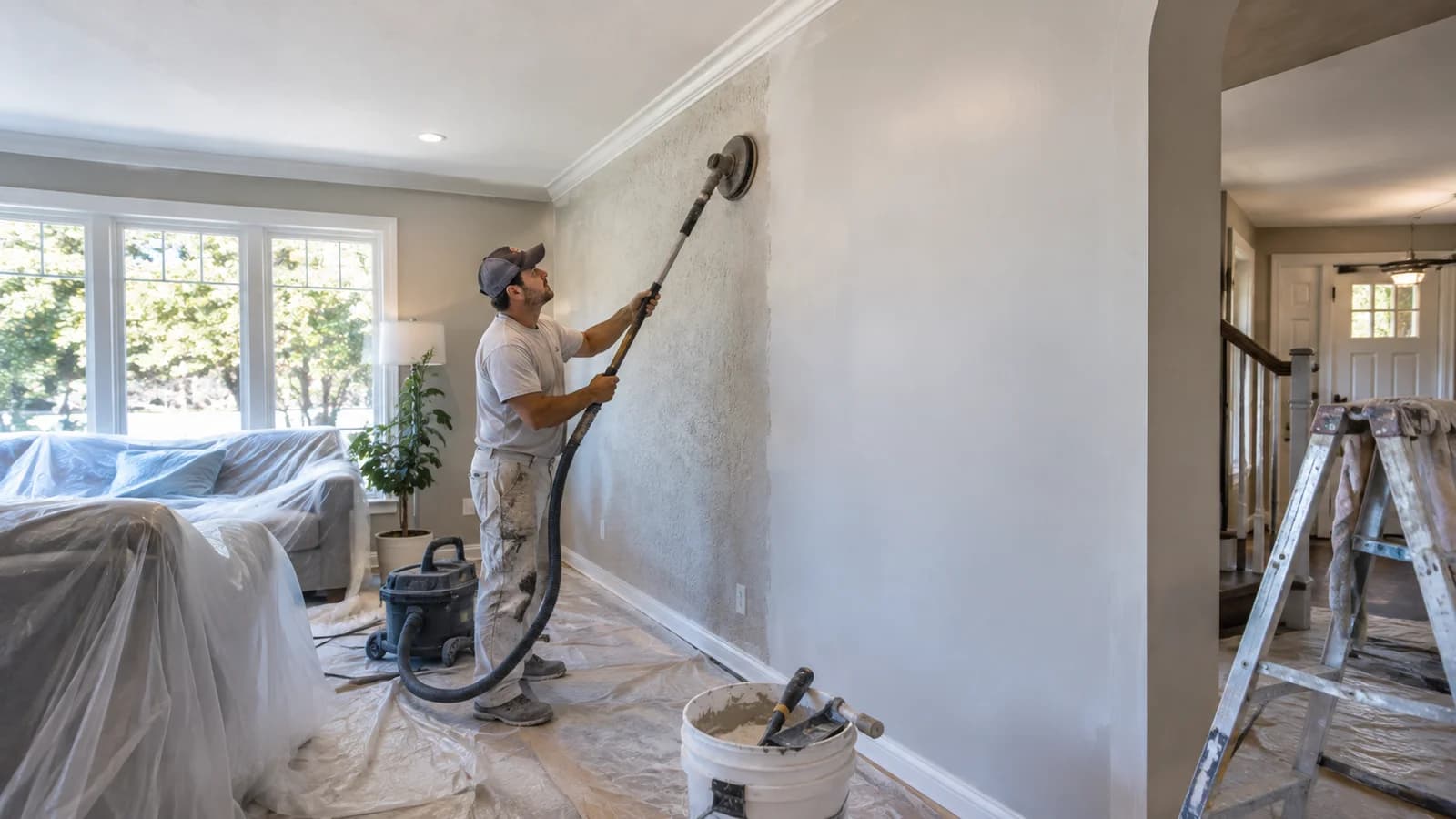
Can You Smooth Textured Walls Without Replacing the Drywall?
september 15, 2026
How Often Should You Repaint Interior Walls in a Portland Home?
Contact Information
Reach out to us for a free estimate. We're here to help with all your painting needs.
- Call At:(503) 936-3255
- Email Us At:cascadepaintandres@gmail.com
- Hours:Mon–Sun 8 AM – 6 PM
- Serving:Portland Metro Area