
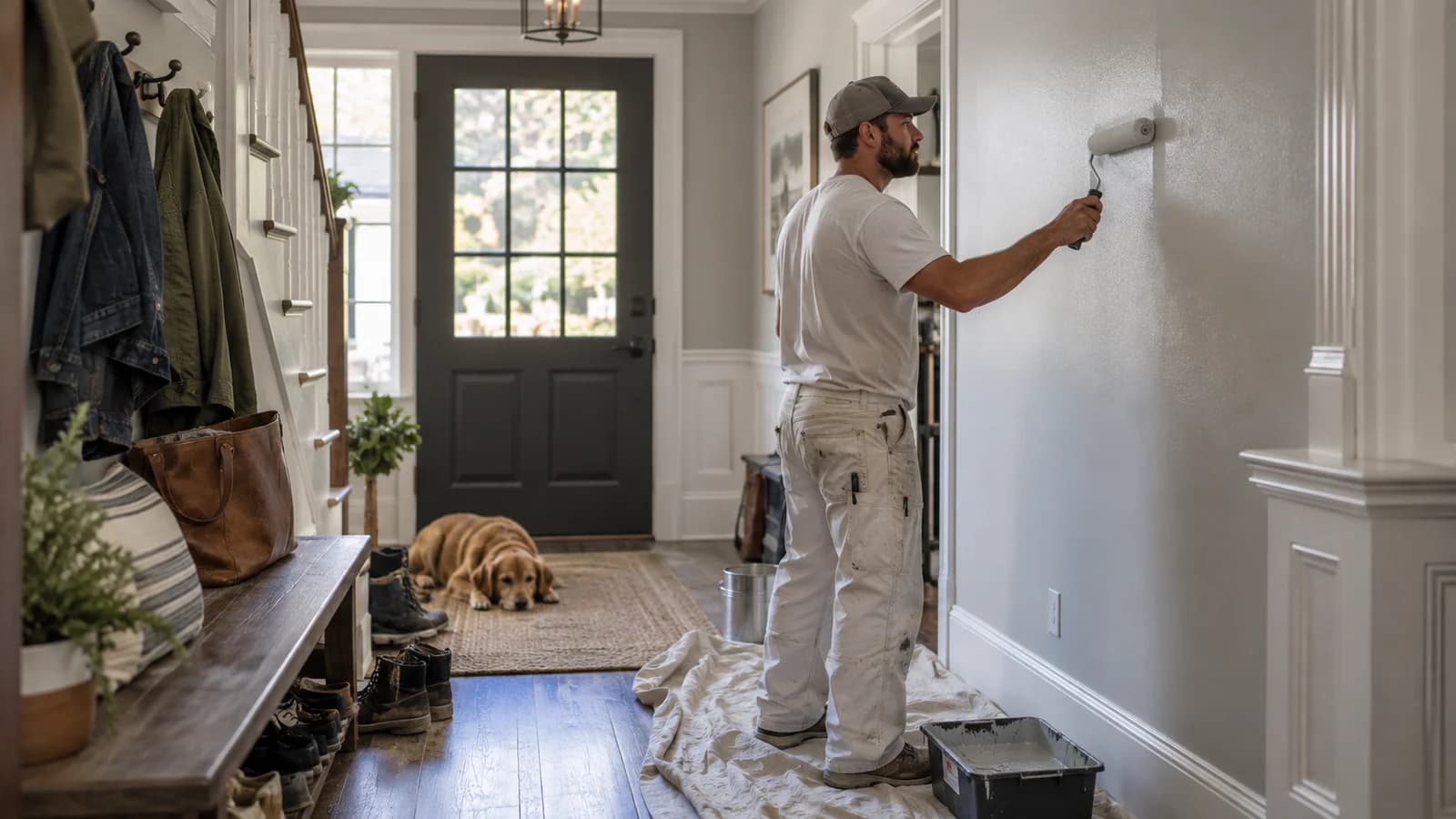
Flat, Eggshell, or Satin: Which Paint Finish Is Best for High-Traffic Rooms?
For most high-traffic rooms, eggshell or satin will perform better than flat paint. Eggshell gives walls a soft, low-sheen appearance with enough washability for living rooms, hallways, and bedrooms. Satin reflects more light and usually stands up better to frequent cleaning, making it a practical choice for entryways, kitchens, playrooms, and other hardworking spaces. Flat paint hides wall imperfections well, but it’s generally better suited to ceilings and lower-traffic areas.
At Cascade Painting & Restoration, we consider more than the name printed on the paint can. The wall’s condition, room lighting, cleaning habits, and level of daily contact all affect which finish makes sense. Our interior painting services include walls, ceilings, trim, doors, and cabinets throughout the Portland metro area.
What Makes a Room High Traffic?
A high-traffic room sees frequent movement, contact, and cleaning. Hallway walls get brushed by shoulders, bags, furniture, and pet fur. Entryways collect fingerprints and marks from shoes or outdoor gear. In playrooms, children may touch the walls or bump them with toys.
Kitchens, bathrooms, mudrooms, stairwells, and family rooms also tend to receive more wear than formal dining rooms or guest bedrooms. Even a home office can become a high-traffic space if several family members use it throughout the day.
Traffic isn’t the only factor. Think about how often you wipe the walls and what tends to touch them. A narrow hallway with white walls and young children needs a different finish than a wide hallway used by one or two adults.
Choosing the Best Paint Finish for High-Traffic Rooms
Eggshell works well in many busy residential rooms because it balances appearance and upkeep. Satin makes sense where walls need more regular cleaning or face heavier contact. Flat paint remains useful when hiding flaws matters more than washability.
The best choice often comes down to this:
- Choose flat for ceilings, quiet adult spaces, or visibly imperfect walls that receive little contact.
- Choose eggshell for living rooms, bedrooms, dining areas, and moderately busy hallways.
- Choose satin for entryways, playrooms, kitchens, mudrooms, stairwells, and walls that need frequent wiping.
These recommendations aren’t universal rules. Paint formulas differ, and some premium lower-sheen products withstand cleaning better than older flat or matte paints. Review the manufacturer’s product specifications instead of judging durability by sheen alone.
Benjamin Moore’s guide to choosing a paint finish identifies eggshell and satin among the finishes commonly used for high-traffic walls. It also places flat paint in low-traffic spaces and on ceilings.
Flat Paint Hides Flaws but Requires Gentler Treatment
Flat paint reflects very little light. This gives walls a soft, even appearance and keeps minor surface flaws from drawing attention. Patches, shallow dents, uneven texture, and older drywall often look less obvious under a flat finish.
That forgiving appearance makes flat paint useful in older Portland homes where walls may have accumulated repairs over time. It also works well on ceilings because overhead surfaces rarely need scrubbing.
The tradeoff becomes clear once a wall gets dirty. Flat finishes often show rubbing, burnishing, or changes in sheen after repeated cleaning. Aggressive scrubbing may leave a polished-looking spot that stands out from the surrounding paint.
Modern washable flat paints perform better than many older products, but the specific formula matters. If you want a low-sheen look in a busy room, ask whether the chosen product carries washability or scrub-resistance ratings appropriate for that space.
Flat paint may work in:
- Ceilings
- Guest bedrooms
- Formal living areas with limited use
- Adult bedrooms with little wall contact
- Rooms where wall flaws would look distracting under a shinier finish
It’s usually a weaker choice for narrow hallways, children’s rooms, kitchens, or areas around light switches.
Eggshell Balances a Soft Look With Easier Cleaning
Eggshell has a slight sheen that becomes visible when light moves across the wall. It looks softer than satin while tolerating routine wiping better than traditional flat paint.
For many homeowners, eggshell provides the most comfortable middle ground. It doesn’t make a living room or bedroom feel overly shiny, yet it handles the occasional fingerprint, scuff, or food mark more easily than a flat finish.
Eggshell works especially well in:
- Living rooms
- Dining rooms
- Bedrooms
- Home offices
- Wider hallways
- Family rooms with moderate activity
Lighting still matters. Large windows or strong side lighting can reveal roller marks, patches, and texture differences even in eggshell. Dark colors also tend to show sheen variations more readily than some lighter shades.
If the wall has visible damage, repair it before choosing a finish based solely on durability. Our drywall repair services cover holes, cracks, water-damaged sections, rough patches, and texture matching. A stable, properly prepared surface gives the final coating a more consistent appearance.
Satin Handles Frequent Cleaning and Heavy Use
Satin has a smoother, more noticeable sheen than eggshell. It usually resists moisture and repeated wiping better, which makes it a strong option for rooms that deal with fingerprints, spills, splashes, or regular cleaning.
In a busy household, satin often makes sense for:
- Entryways
- Mudrooms
- Playrooms
- Kitchens
- Laundry rooms
- Stairwells
- Children’s bedrooms
- High-contact hallways
Satin paint also works well around areas where hands regularly touch the wall, such as near doors, switches, and stair rails. The smoother surface generally releases dirt more easily during cleaning.
However, satin reflects more light. That reflection can highlight ridges, drywall seams, patch edges, dents, and differences in wall texture. A satin coating won’t create those flaws, but it may make existing ones easier to see.
Careful preparation matters before applying satin. Cleaning, patching, sanding, and priming create a more uniform base and reduce visible differences in the finished wall.
Don’t Choose by Sheen Alone
Two eggshell paints from different product lines may not perform the same way. Resin quality, pigment, coating technology, and intended use also influence washability and scuff resistance.
Some newer matte and eggshell products target high-traffic residential or commercial spaces. A quality lower-sheen coating may outperform a basic satin paint in certain conditions. Product selection matters as much as the finish category.
Before deciding, consider:
- How often the walls will need cleaning
- Whether children or pets use the space
- How much natural and artificial light reaches the walls
- Whether the surface has visible patches or texture differences
- How much sheen you want to see
- What the manufacturer recommends for that room and surface
Tell your painter how the room functions instead of simply requesting a familiar finish. A hallway used by a family of five has different demands than one leading to an occasional guest room.
Wall Condition Changes the Decision
A higher sheen gives you better cleaning performance, but it also reveals more of the wall. Strong daylight across a stairwell can make small imperfections noticeable. Satin may emphasize an uneven patch that looked acceptable under flat paint.
Inspect walls from several angles before painting. Look for nail holes, dents, cracks, raised patches, water stains, and old touch-ups. Turn on the room’s normal lighting and check the walls during daylight as well.
Minor defects may only need spot repair and sanding. Widespread texture problems or poor previous repairs may require more extensive preparation. Paint performs best on a clean, dry, stable surface, regardless of the sheen.
If the walls have water stains or bubbling paint, find the moisture source before repainting. A washable finish won’t correct a roof leak, plumbing problem, or recurring condensation.
Think About How the Color Will Look in Each Finish
Sheen affects how you see color. Flat paint absorbs more light and often makes a color appear rich and uniform. Eggshell adds a soft reflection. Satin catches more light, so the same color may appear slightly brighter or shift as you move around the room.
Test the actual color in the finish you plan to use. A flat sample won’t accurately show how the color will look in satin. Place the sample on more than one wall and check it during different parts of the day.
Portland’s changing seasonal light deserves attention. A north-facing room may feel cool and muted during gray weather, while a west-facing room can receive much stronger afternoon light. Artificial bulbs also change how paint color and sheen appear after sunset.
Use Different Finishes Within the Same Room
You don’t need to use one finish on every painted surface. Walls, ceilings, trim, doors, and cabinets face different conditions.
A room may use eggshell on the walls, flat paint on the ceiling, and a higher-sheen coating on the trim and doors. This creates visual separation while placing the more washable finish on surfaces that receive frequent contact.
Kitchens often benefit from eggshell or satin walls, while doors, trim, and cabinets may need coatings selected for greater handling and cleaning. Bathrooms require products suited to the room’s moisture and ventilation conditions.
Keeping the colors coordinated prevents the combination from feeling busy. In some rooms, using the same color across several surfaces with different finishes creates a subtle change rather than a sharp contrast.
Give Fresh Paint Time Before Cleaning It
Paint may feel dry long before it reaches its full cure. Scrubbing a newly painted wall too soon can leave shiny spots, soften the coating, or lift color onto the cloth.
Follow the manufacturer’s cure-time instructions before washing the wall. Once the coating has cured, start with a soft cloth or sponge, mild soap, and light pressure. Test any cleaner in a less visible area first.
Avoid abrasive pads and harsh cleaners unless the product instructions specifically allow them. Even a durable satin coating can develop visible marks if someone scrubs it aggressively.
Keep the paint color, product name, finish, and purchase information for future touch-ups. Labeling leftover paint by room also prevents confusion later.
Match the Finish to the Way You Live
For most high-traffic rooms, eggshell gives homeowners a good balance between a soft appearance and practical cleaning. Satin suits spaces that face heavier use, moisture, or frequent wiping. Flat paint works best where low sheen and surface forgiveness matter more than scrub resistance.
The right answer may vary from room to room. During a walkthrough, our team at Cascade Painting & Restoration evaluates the condition of the walls, lighting, expected wear, and the look you want. We also protect floors and furniture, repair rough areas, and discuss color and finish options before painting begins.
Before the project starts, review our guide on how to prepare your home for professional painters. To discuss finishes for a hallway, family room, stairwell, or complete interior repaint, contact our team for a free estimate.
Recent Blogs
september 20, 2026
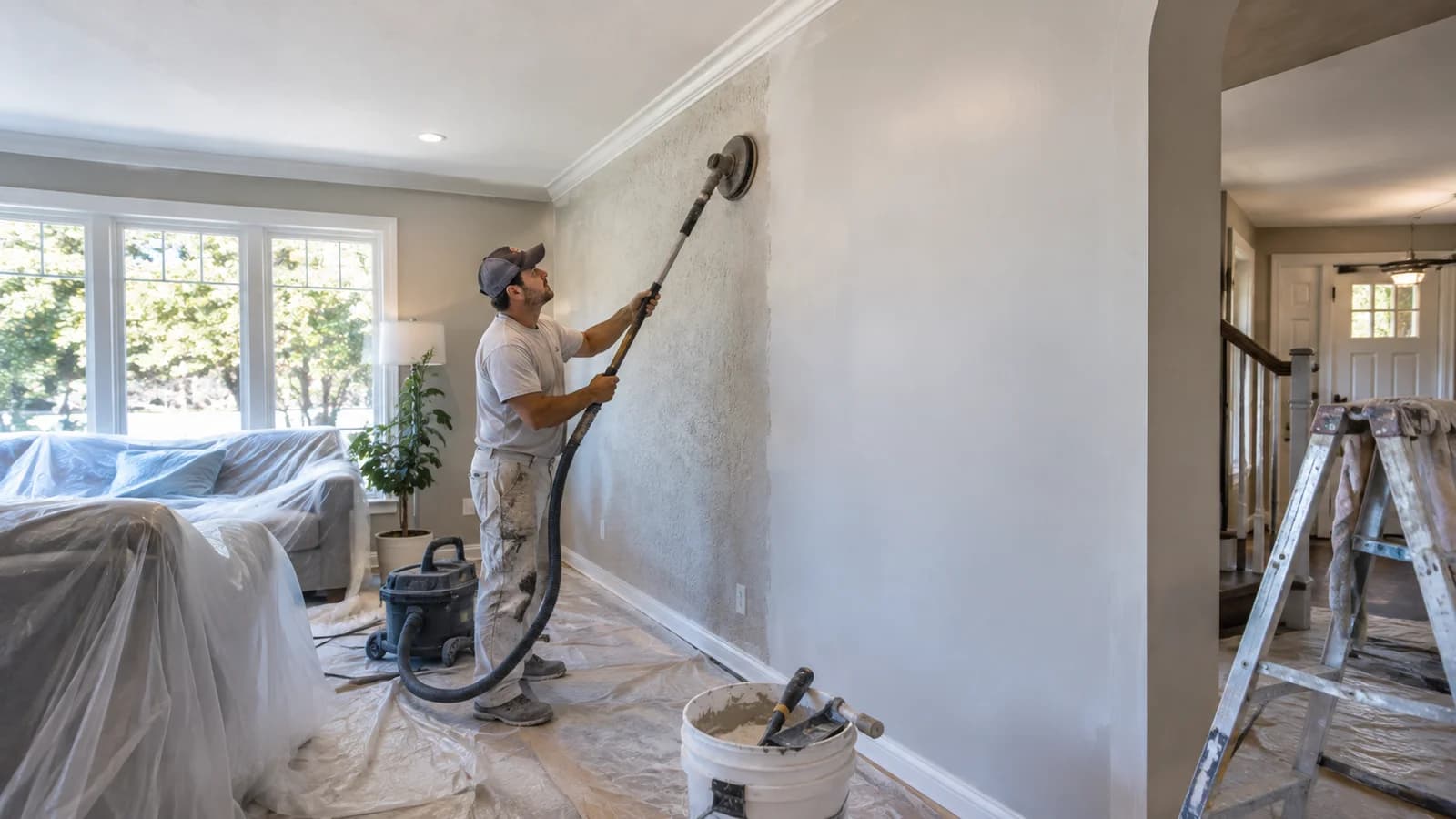
Can You Smooth Textured Walls Without Replacing the Drywall?
september 15, 2026
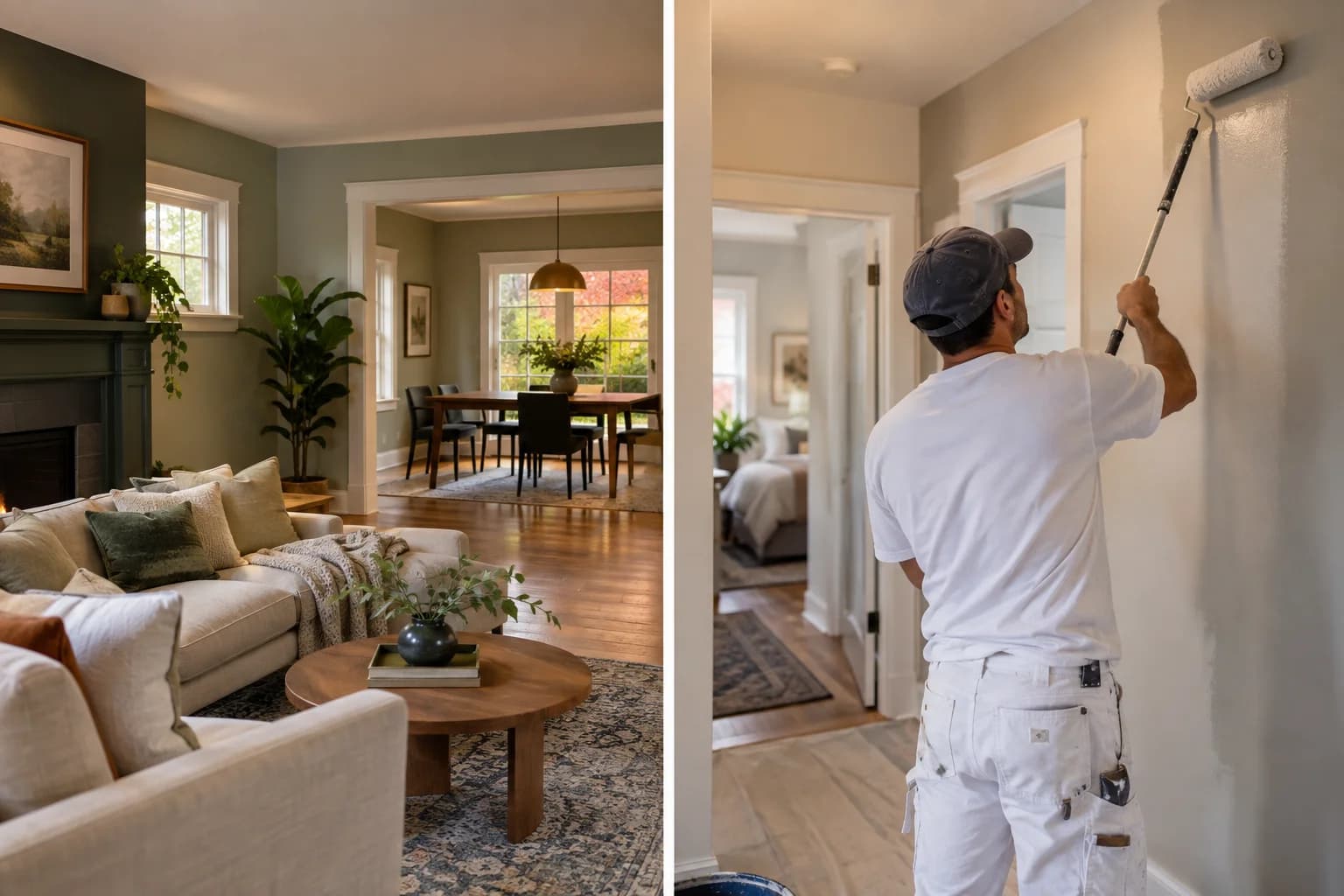
How Often Should You Repaint Interior Walls in a Portland Home?
august 3, 2026
Painting an Older Portland Home: What Should Be Checked First?
july 20, 2026
Drywall Repair Before Painting: Why Smooth Walls Matter
july 14, 2026
How to Prepare Your Home Before Professional Painters Arrive
Contact Information
Reach out to us for a free estimate. We're here to help with all your painting needs.
- Call At:(503) 936-3255
- Email Us At:cascadepaintandres@gmail.com
- Hours:Mon–Sun 8 AM – 6 PM
- Serving:Portland Metro Area