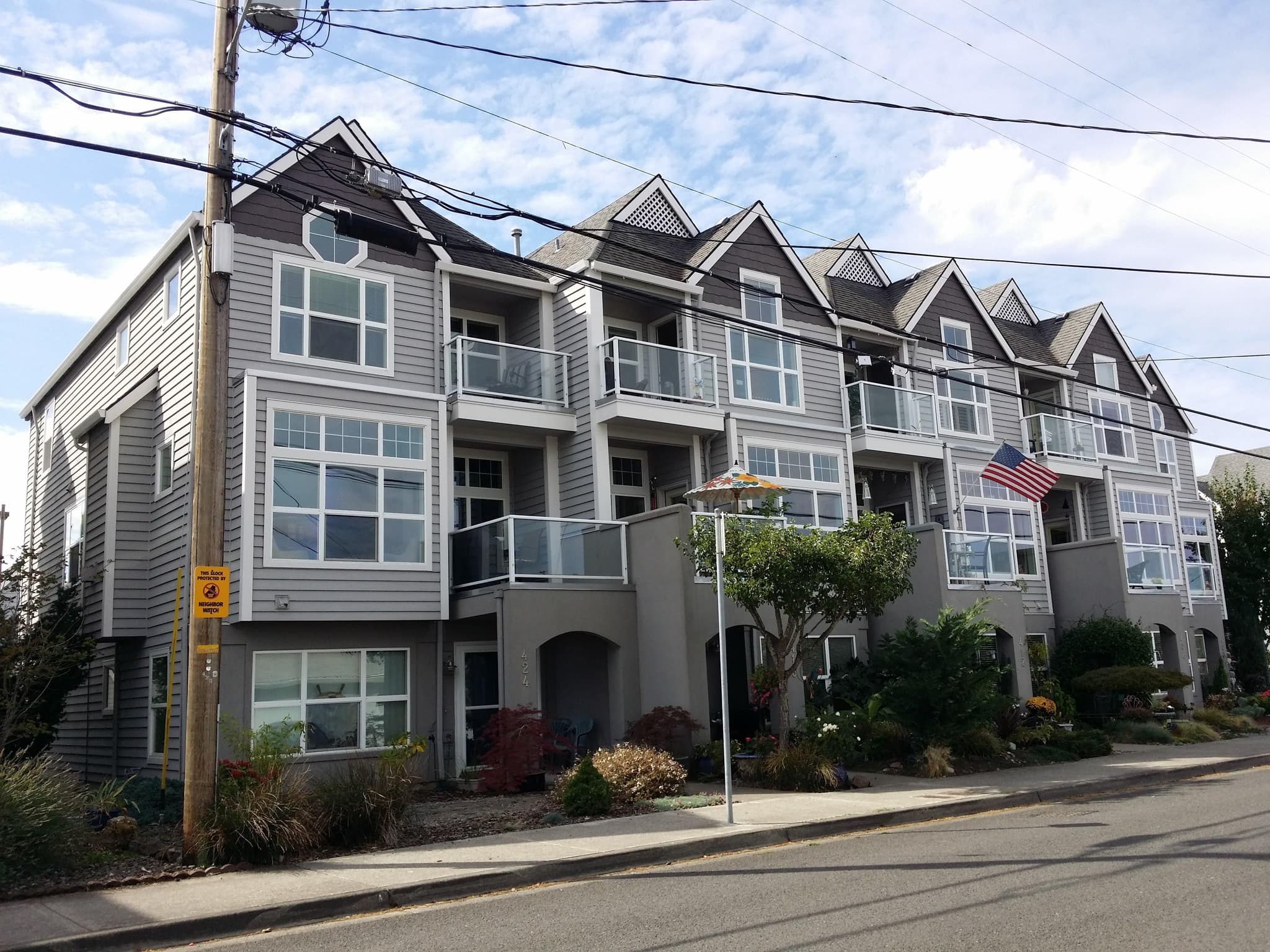
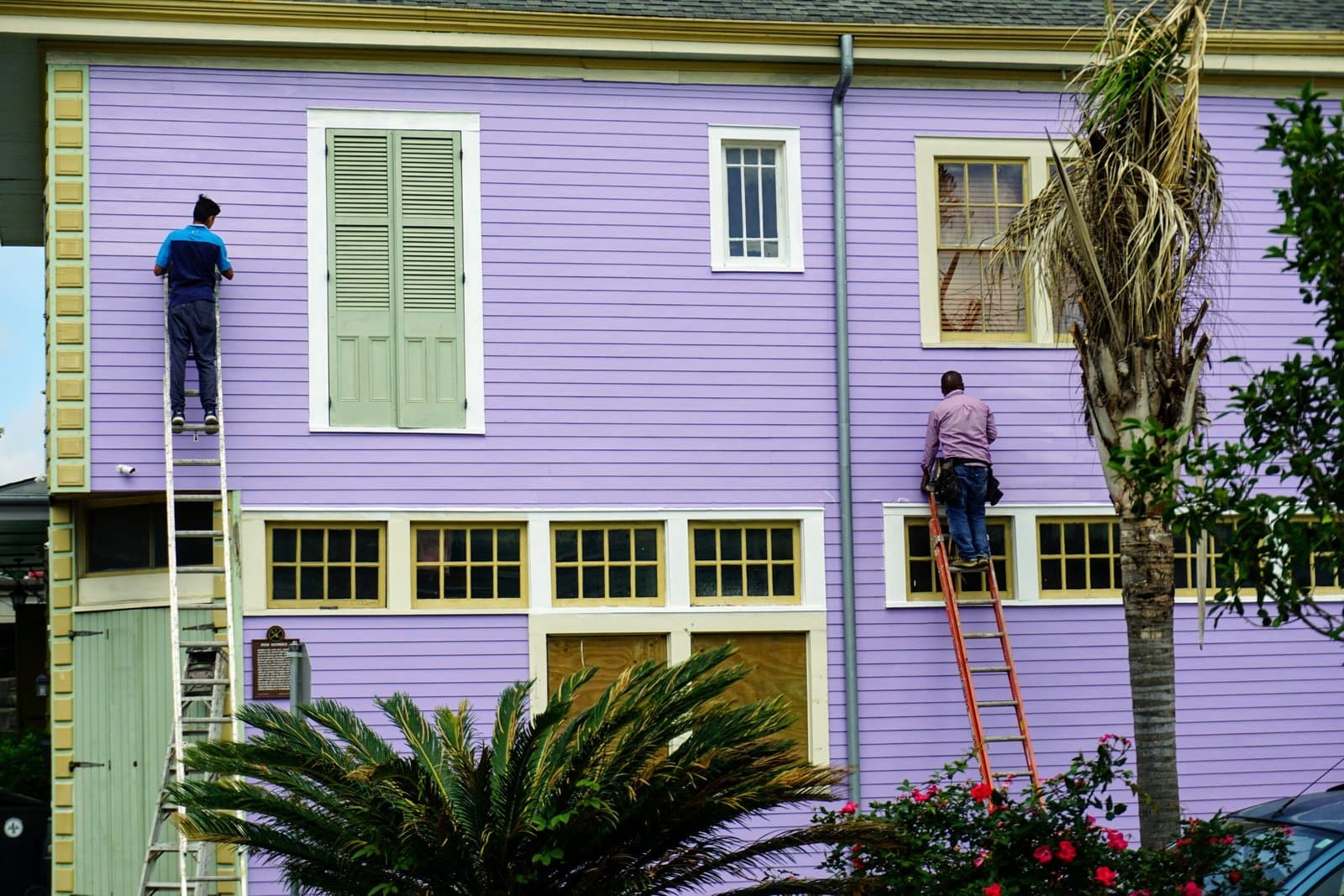
How to Prepare Your Home Before Professional Painters Arrive
Hiring professional painters is one of the easiest ways to refresh your home, protect your surfaces, and get a cleaner, longer-lasting finish. But before the crew arrives, a little preparation on your end can help the project move more smoothly.
If you are wondering how to prepare for professional painters, the good news is that you do not need to do everything yourself. A professional painting crew will handle the technical prep work, surface protection, and painting. However, homeowners can help by clearing small items, confirming colors, securing pets, and making sure the crew has easy access to the areas being painted.
Whether you are planning interior, exterior, or both, this checklist will help you know what to do before the first day of work.

Start by Confirming the Project Details
Before painting begins, make sure you and the painting company are clear on the scope of work. This helps avoid confusion once the crew arrives and guarantees everyone is working from the same plan.
Review which rooms, walls, ceilings, trim, doors, cabinets, siding, or exterior areas are included in the project. If certain areas are not being painted, make sure those are clear as well.
This is also a good time to ask about timing, expected start dates, estimated project length, and whether the crew will need access to water, outlets, driveways, gates, garages, or other parts of the property.
For exterior painting, scheduling may depend on weather, surface moisture, and drying conditions. For interior painting, the schedule may depend on how many rooms are being painted and whether the work will happen in phases.
A clear plan helps the project stay organized from the beginning.
Finalize Paint Colors Before the Crew Arrives
Choosing paint colors can take longer than expected, so it is best to finalize them before your scheduled painting date. Waiting until the crew arrives to make color decisions can delay the project, especially if paint needs to be ordered or matched.
For interior painting, think about how each color will look in different lighting throughout the day. A shade that looks warm in one room may look cooler in another depending on windows, flooring, furniture, and artificial light.
For exterior painting, consider your home’s roof color, trim, landscaping, neighborhood style, and any HOA requirements. Exterior colors can also look different in full daylight than they do on a small sample.
Before the project begins, confirm:
- The main wall or siding color
- Trim color
- Door color
- Ceiling color, if applicable
- Cabinet or accent colors, if included
- Paint finish, such as matte, eggshell, satin, semi-gloss, or gloss
If you are unsure, ask your painter for guidance. Professional painters can often help you understand which finishes make sense for busy areas, bathrooms, kitchens, trim, exterior siding, and other surfaces.
Move Small Items Out of the Way
One of the easiest ways to prepare for professional painters is to remove small, fragile, or personal items from the rooms or areas being painted.
For interior painting, this may include:
- Picture frames
- Lamps
- Small decor
- Books
- Plants
- Electronics
- Tabletop items
- Curtains or removable window treatments
- Bathroom items
- Kitchen counter items
You do not necessarily need to move large furniture unless your painter asks you to. In many cases, the crew can move furniture to the center of the room and cover it with protective materials. However, removing smaller items in advance allows the crew to work more efficiently and reduces the risk of accidental damage.
For exterior painting, move outdoor decor, patio furniture, potted plants, garden tools, hoses, toys, and other items away from the home. If anything is leaning against the siding, fence, garage, or exterior walls, move it before the crew arrives.
The more open space the painters have to work, the easier it is for them to properly prepare and paint the surfaces.
Take Down Wall Decor and Personal Items
If interior walls are being painted, remove artwork, mirrors, shelves, clocks, and wall-mounted decor when possible. This gives the crew full access to the walls and helps protect your belongings.
If you have heavy or difficult-to-remove items, ask your painting company whether the crew can help. Some items may require special handling, especially if they are large, fragile, or mounted with hardware.
It is also helpful to remove nails, hooks, or anchors only if you do not intend to reuse them. If you want artwork or decor to go back in the same spot, ask the crew whether they prefer you leave the hardware in place or remove it before painting.
This can vary depending on whether the holes will be patched during the project.
Clear Access to the Work Areas
Professional painters need room to move equipment, ladders, drop cloths, paint, tools, and supplies. Before they arrive, make sure there is a clear path to the areas being painted.
For interior projects, clear hallways, stairways, entrances, and room access points. If painters need to move through a garage, side door, or back entry, ensure the path is unlocked and accessible.
For exterior projects, unlock gates, move vehicles from driveways as needed, and ensure the crew can access all sides of the home. If there are locked storage areas, backyard entrances, or narrow side yards, discuss access in advance.
Good access helps the crew stay on schedule and reduces unnecessary interruptions throughout the day.
Secure Pets Before Painting Begins
Pets are part of the family, but painting projects can be stressful or unsafe for them. Open doors, unfamiliar people, ladders, wet paint, plastic coverings, and equipment can create issues if pets are not secured.
Before painters arrive, place dogs, cats, or other pets in a safe area away from the work zone. This could be a closed room, crate, backyard area, or another location outside the home during the workday.
For exterior painting, keep pets indoors or away from the yard while the crew is working. For interior painting, make sure pets cannot accidentally walk through wet paint, knock over supplies, or escape through an open door.
Let the painting crew know if pets are on the property. This helps them stay aware as they enter or exit the home.
Plan Around Children, Work, and Daily Routines
If you work from home, have young children, or need regular access to certain rooms, talk with your painter before the project begins. A good painting plan should account for how your household functions day-to-day.
For example, if your home office is being painted, you may need to work in another room for the day. If the kitchen is part of the project, you may want to plan meals in advance. If bedrooms are being painted, you may need to coordinate sleeping arrangements depending on drying time and odor.
For larger interior projects, the crew may be able to work in phases so parts of the home remain usable. For exterior painting, you may need to plan around driveway access, open windows, outdoor furniture, or areas where children usually play.
A little planning ahead of time can make the painting process feel much easier.
Discuss Parking, Entry, and Contact Information
Before the first day, confirm where the painting crew should park and how they will enter the home or property. This is especially important if you live on a narrow street, have limited driveway space, share parking with neighbors, or need to provide gate codes.
Make sure the painting company has your best contact number in case questions come up during the project. If you will not be home, discuss how the crew should access the property and whether there are any security instructions.
For exterior painting, also let the crew know about sprinkler systems, locked gates, outdoor outlets, fragile landscaping, or areas that need special care.
These details may seem small, but they help the crew work efficiently and respectfully on your property.
What the Painting Crew Will Usually Handle
While homeowners can help prepare the space, professional painters are responsible for the work that directly affects the finished result.
Depending on the project, the painting crew may handle:
- Covering floors, furniture, fixtures, and landscaping
- Protecting nearby surfaces from paint
- Moving larger furniture when included in the scope
- Cleaning or washing surfaces
- Scraping loose paint
- Sanding rough areas
- Patching small holes or imperfections
- Caulking gaps where needed
- Priming bare or repaired areas
- Applying paint evenly and professionally
- Cleaning up the work area when finished
For exterior painting, the crew may also handle pressure washing, scraping failing paint, checking surfaces for damage, priming exposed areas, and preparing siding or trim before painting.
For interior painting, they may protect floors, cover furniture, repair minor wall imperfections, tape or cut clean lines, and prepare surfaces for a smooth finish.
Because every company and project scope is different, ask what is included in your estimate. This helps you understand what you need to do and what the crew will handle.
Do Not Skip the Surface Prep Conversation
Surface preparation is one of the most important parts of any painting project. Even if you are focused on colors and scheduling, make sure you understand how the surfaces will be prepared before paint is applied.
For interior painting, prep may include patching nail holes, repairing minor drywall damage, sanding rough spots, cleaning surfaces, and priming where needed.
For exterior painting, prep may include pressure washing, scraping, sanding, caulking, priming, and checking for wood rot or moisture damage.
This step matters because paint needs a clean, stable surface in order to last. If damaged, dirty, glossy, or peeling surfaces are painted without proper prep, the finish may not hold up as well.
A professional painting company should be able to explain its preparation process clearly before the project begins.
Prepare for Some Temporary Disruption
Even with a careful crew, painting is still a home improvement project. There may be some temporary interruption while the work is underway.
You may need to avoid certain rooms, keep windows closed or open as needed, move around covered furniture, or stay away from freshly painted surfaces while they dry. For exterior painting, there may be ladders, equipment, taped-off areas, or temporary limits on outdoor access.
Planning ahead makes the process less stressful. Ask your painter which areas will be worked on first, when you can use rooms again, and whether there are any special instructions after painting is complete.
Most disruptions are short-term, leaving a cleaner, refreshed space that looks better and feels more finished.
Interior Painting Preparation Checklist
Before interior painters arrive, homeowners should:
- Finalize paint colors and finishes
- Remove small items, decor, and fragile belongings
- Take down wall art and mirrors when possible
- Clear countertops, shelves, and surfaces
- Move small furniture or personal items out of the way
- Secure pets away from the work area
- Clear paths through hallways and entrances
- Discuss rooms that need to stay accessible
- Confirm parking, entry, and contact information
Your painting crew will typically handle floor protection, furniture covering, surface preparation, painting, and cleanup, depending on the project scope.
Exterior Painting Preparation Checklist
Before exterior painters arrive, homeowners should:
- Move patio furniture, grills, planters, and outdoor decor away from the home
- Clear items from porches, decks, walkways, and side yards
- Trim back plants or shrubs touching the house if requested
- Unlock gates and provide access to all exterior areas
- Move vehicles away from the work zone
- Turn off the sprinklers before washing or painting
- Secure pets indoors or away from the yard
- Close windows before washing or painting
- Discuss damaged trim, siding, or areas of concern
The painting crew will typically handle pressure washing, scraping, sanding, priming, surface protection, painting, and cleanup, as per the agreed scope of work.
A Little Preparation Helps the Project Go Smoothly
Preparing for professional painters does not mean doing the painter’s job for them. It simply means making the space easier to access, protecting personal belongings, confirming project details, and helping the crew start efficiently.
By finalizing colors, moving small items, securing pets, clearing access, and planning scheduling in advance, homeowners can help create a smoother painting experience from start to finish.
Whether you are planning interior or exterior painting or a full home refresh, the proper preparation helps keep the project organized and reduces avoidable delays.
Cascade Painting & Restoration provides professional interior and exterior painting services for homeowners throughout the Portland Metro area. If you are getting ready to repaint your home, contact Cascade Painting & Restoration to discuss your project, ask questions, and request a free estimate.
Recent Blogs

october 13, 2026
How to Choose a Kitchen Cabinet Color You Will Not Regret
september 25, 2026
Should You Paint Kitchen Cabinets Before or After Repainting the Walls?
september 21, 2026
Flat, Eggshell, or Satin: Which Paint Finish Is Best for High-Traffic Rooms?
september 20, 2026
Can You Smooth Textured Walls Without Replacing the Drywall?
september 15, 2026
How Often Should You Repaint Interior Walls in a Portland Home?
august 3, 2026
Painting an Older Portland Home: What Should Be Checked First?
Contact Information
Reach out to us for a free estimate. We're here to help with all your painting needs.
- Call At:(503) 936-3255
- Email Us At:cascadepaintandres@gmail.com
- Hours:Mon–Sun 8 AM – 6 PM
- Serving:Portland Metro Area