Choosing Interior Paint Colors for Room Size and Light
By the Cascade Painting & Restoration team
Paint color changes how large a room feels. Light colors reflect more light and make walls appear to recede, which helps small rooms feel more open. Dark colors absorb light and make walls feel closer, which can make a large room feel warmer and more intimate. But room size is only one factor. The light coming into the room, the ceiling height, and the sheen of the paint all change the result.
At Cascade Painting & Restoration, we help Portland homeowners think through color and finish before the first coat goes on. Our interior painting services cover walls, ceilings, trim, doors, and cabinets. This guide explains how to choose colors that suit the size and shape of each room.
Light Reflectance Value Explains Why Colors Feel Bigger or Smaller
Most paint manufacturers list a Light Reflectance Value (LRV) for each color. LRV measures how much light a color reflects on a scale from 0 (absolute black) to 100 (pure white).
A color with a high LRV bounces more light around the room, making it feel brighter and more spacious. A color with a low LRV absorbs more light, making the room feel darker and more enclosed. When comparing two similar colors for a small room, the one with the higher LRV will usually feel more open.
LRV is a useful starting point, but it does not tell you how a color will feel in your specific room. Light direction and intensity change that.
Small Rooms: Brighten Without Going Stark
In small bedrooms, bathrooms, offices, and hallways, lighter colors generally help the room feel larger. Soft whites, warm off-whites, pale grays, light greiges, and gentle blues or greens are common choices.
A few approaches work well in small spaces:
- Keep walls and trim close in tone. Low contrast between walls and trim lets the eye move around the room without stopping at every edge.
- Carry the wall color onto the ceiling or use a slightly lighter version. This blurs the line where the wall meets the ceiling and can make the room feel taller.
- Avoid pure bright white in rooms with little daylight. In a dim room, stark white can look gray and flat. A warmer off-white often feels cleaner.
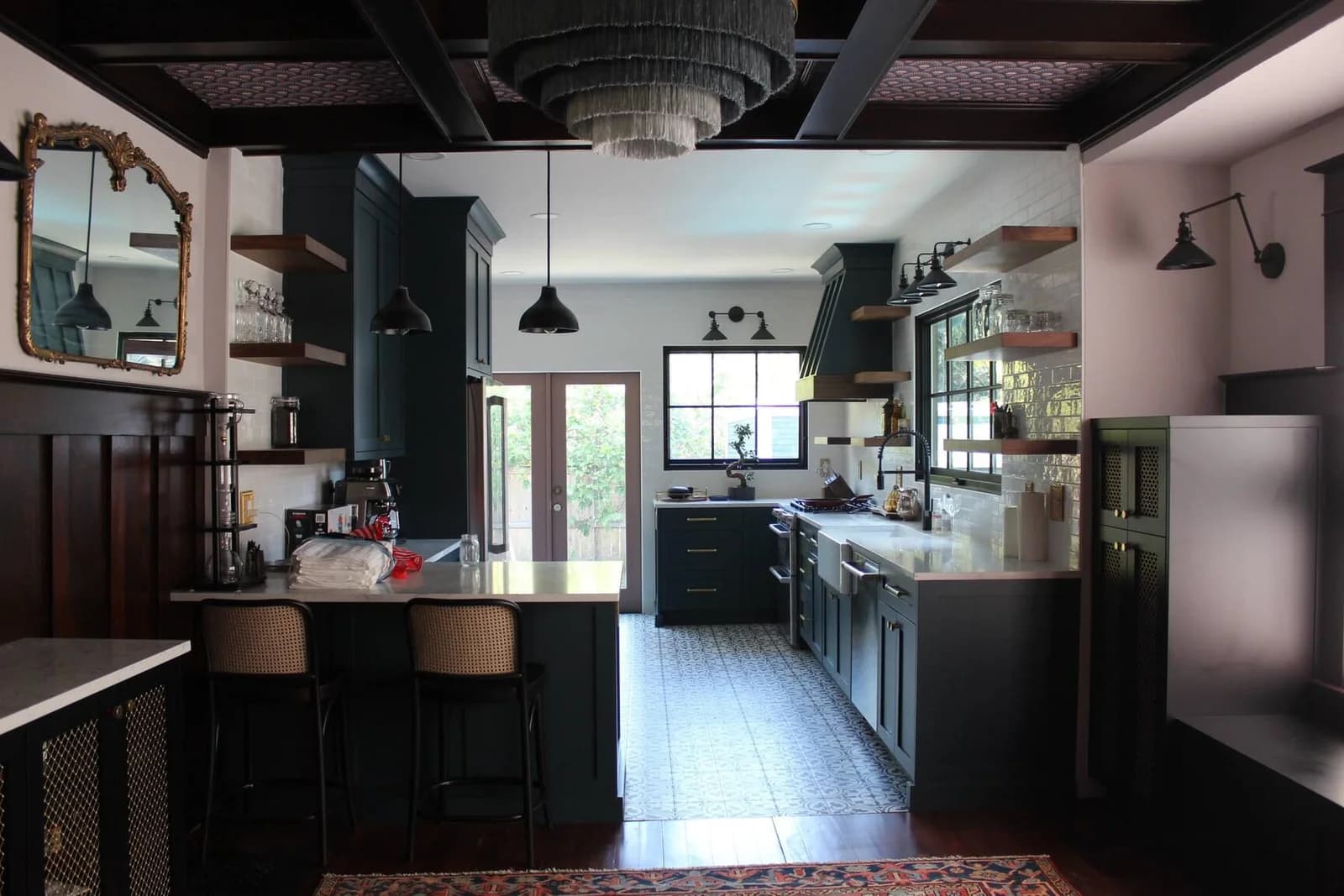
Small rooms do not have to be light. A deep color in a powder room or small office can feel intentional and cozy, especially when the whole room, including trim, is painted in the same color. The key is choosing on purpose, not by default.
Large Rooms: Add Warmth and Definition
Large living rooms, open kitchens, and great rooms can feel empty or echo-y with very pale walls. Mid-tone and deeper colors bring the walls in visually and make the space feel more comfortable.
Warm neutrals, earthy greens, muted blues, and soft clay tones all work well in larger rooms. An accent wall in a deeper color can create a focal point behind a fireplace, bed, or dining area without darkening the whole room.
In open floor plans, choose colors that relate to each other. One approach is to use a single neutral throughout the shared spaces and introduce stronger color in rooms with doors, such as bedrooms and offices.
Ceiling Height Changes the Equation
Ceilings affect how a room feels as much as wall color does.
- Low ceilings feel higher when the ceiling is lighter than the walls or the same color as the walls. Flat ceiling paint helps by hiding surface imperfections and reducing glare.
- High ceilings can feel more intimate with a ceiling color a shade or two darker than the walls, or a warm tone instead of bright white.
- Vaulted ceilings usually look best with one consistent color that follows the slope, rather than a hard color break where the wall meets the angled ceiling.
Portland Light Changes How Color Looks
Portland’s long, overcast winters change how interior colors appear. Gray daylight tends to cool colors down and make them look darker than they do in a paint store or online.
Room orientation matters too:
- North-facing rooms receive cool, indirect light. Warm colors, such as creamy whites, warm grays, and soft yellows, help balance that coolness.
- South-facing rooms get strong, warm light for much of the day. Cooler colors often look balanced, and most colors look brighter here.
- East- and west-facing rooms change through the day, with warm light in the morning or evening and flatter light the rest of the time.
Artificial lighting also changes color. Warm bulbs push colors toward yellow, while cooler bulbs push them toward blue. Look at samples under the lighting you actually use at night.
Sheen Affects How Much Light the Walls Reflect
Paint sheen changes how much light bounces off the wall. Flat and matte finishes absorb more light and hide surface flaws. Eggshell and satin reflect more light and are easier to clean.
In small rooms, a slightly higher sheen can help reflect light, but it also shows wall imperfections more clearly. In rooms with uneven walls, a lower sheen is usually more forgiving. Our guide to the best paint finish for high-traffic rooms explains how to balance durability and appearance.
Test Colors in the Room Before Committing
Small paint chips are a poor guide to how a color will look on a full wall. Before choosing:
- Use large samples, at least two feet square, on more than one wall.
- Look at them in the morning, midday, and evening, and on a cloudy day.
- Place samples next to trim, flooring, cabinets, and furniture that will stay in the room.
- Compare two or three close options side by side rather than one color at a time.
Online color visualizers from paint manufacturers are helpful for narrowing down options, but they cannot replace seeing a sample in your own light.
Getting Color and Preparation Right Together
Color is only part of how a room looks once it is painted. Dents, uneven patches, and texture differences show more clearly under lighter, brighter walls and higher sheens. The right preparation makes the color look the way you expected. If your walls need repair before painting, our drywall repair service gets the surface ready.
Cascade Painting & Restoration paints homes throughout Portland and the surrounding metro area. If you are choosing colors for a room and want a second opinion on how they will work with the space and light, contact our team to schedule a free walkthrough and estimate.
Related Guides
Recent Blogs
october 16, 2026
How Wall Texture Affects Paint Color, Sheen, and Room Lighting

october 13, 2026
How to Choose a Kitchen Cabinet Color You Will Not Regret
september 25, 2026
Should You Paint Kitchen Cabinets Before or After Repainting the Walls?
september 21, 2026
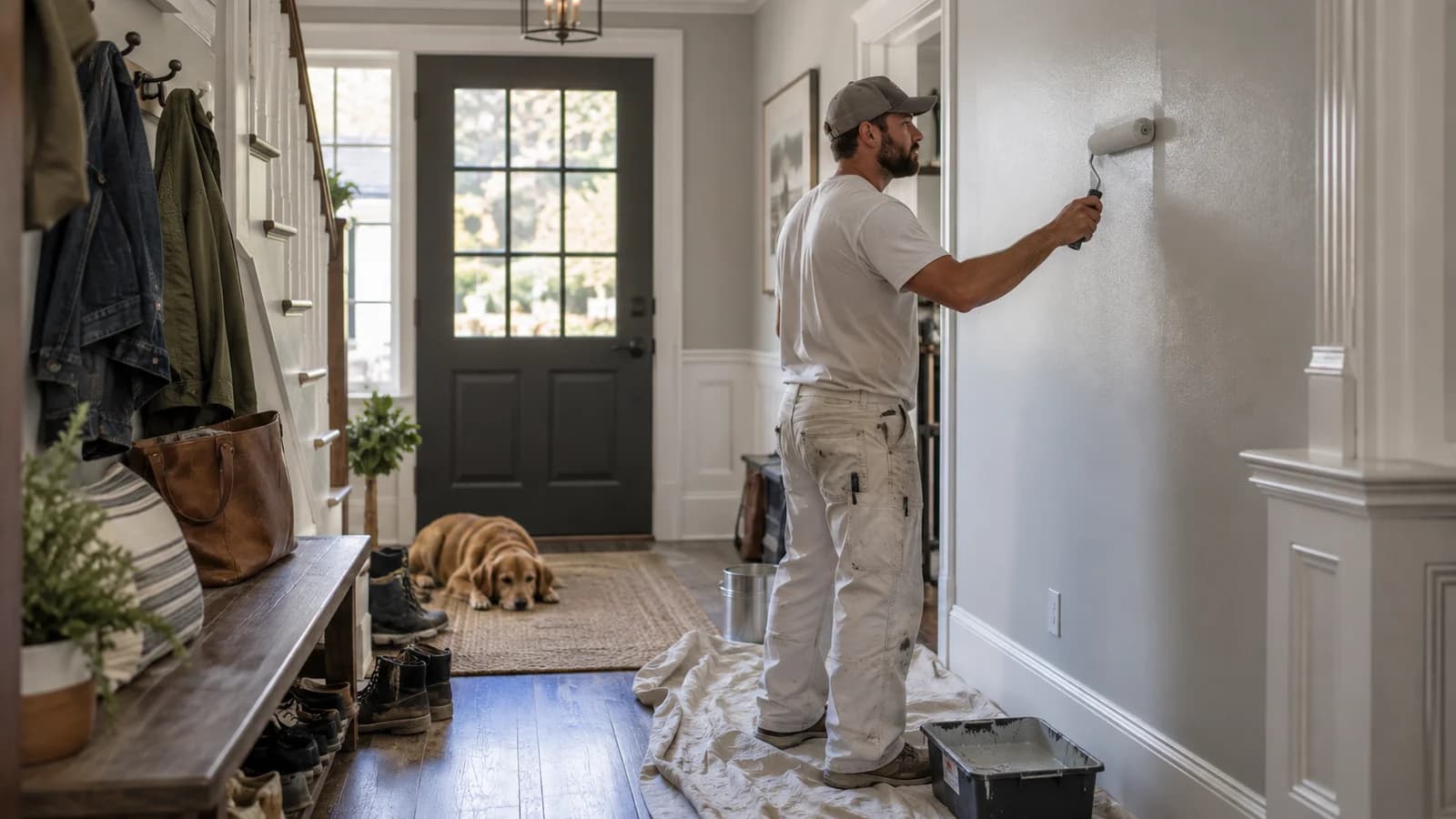
Flat, Eggshell, or Satin: Which Paint Finish Is Best for High-Traffic Rooms?
september 20, 2026
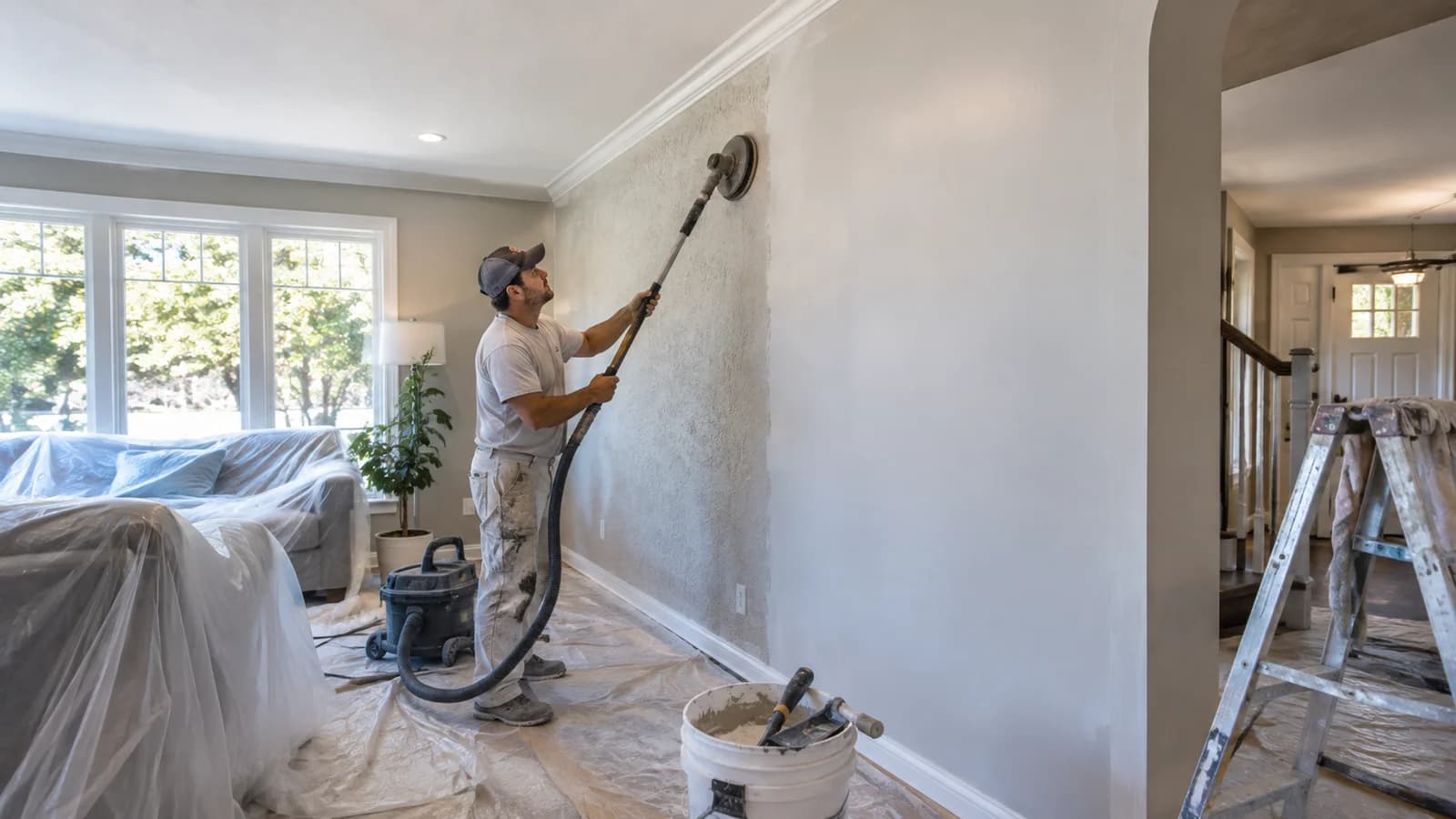
Can You Smooth Textured Walls Without Replacing the Drywall?
Contact Information
Reach out to us for a free estimate. We're here to help with all your painting needs.
- Call At:(503) 936-3255
- Email Us At:cascadepaintandres@gmail.com
- Hours:Mon–Sun 8 AM – 6 PM
- Serving:Portland Metro Area