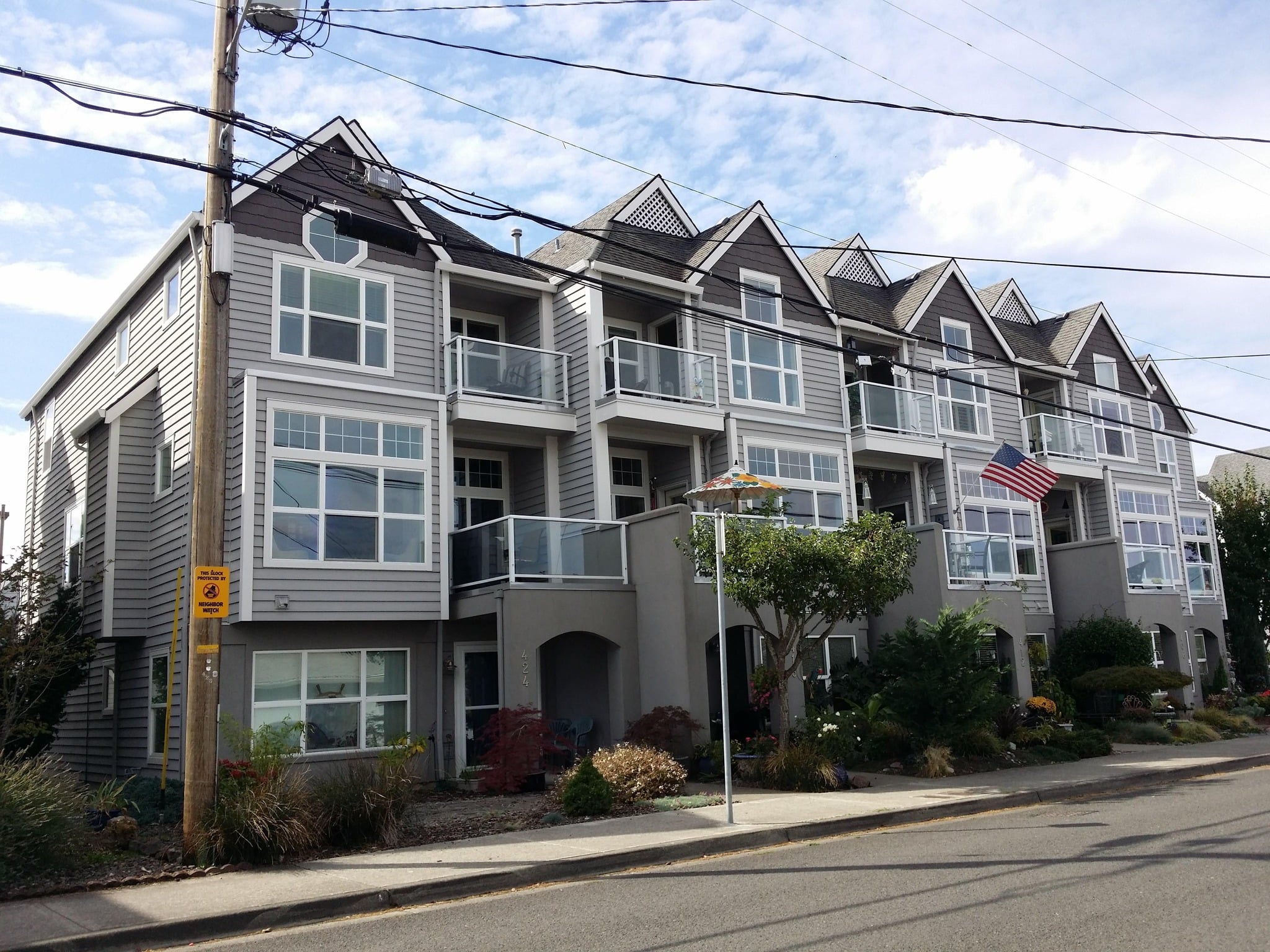
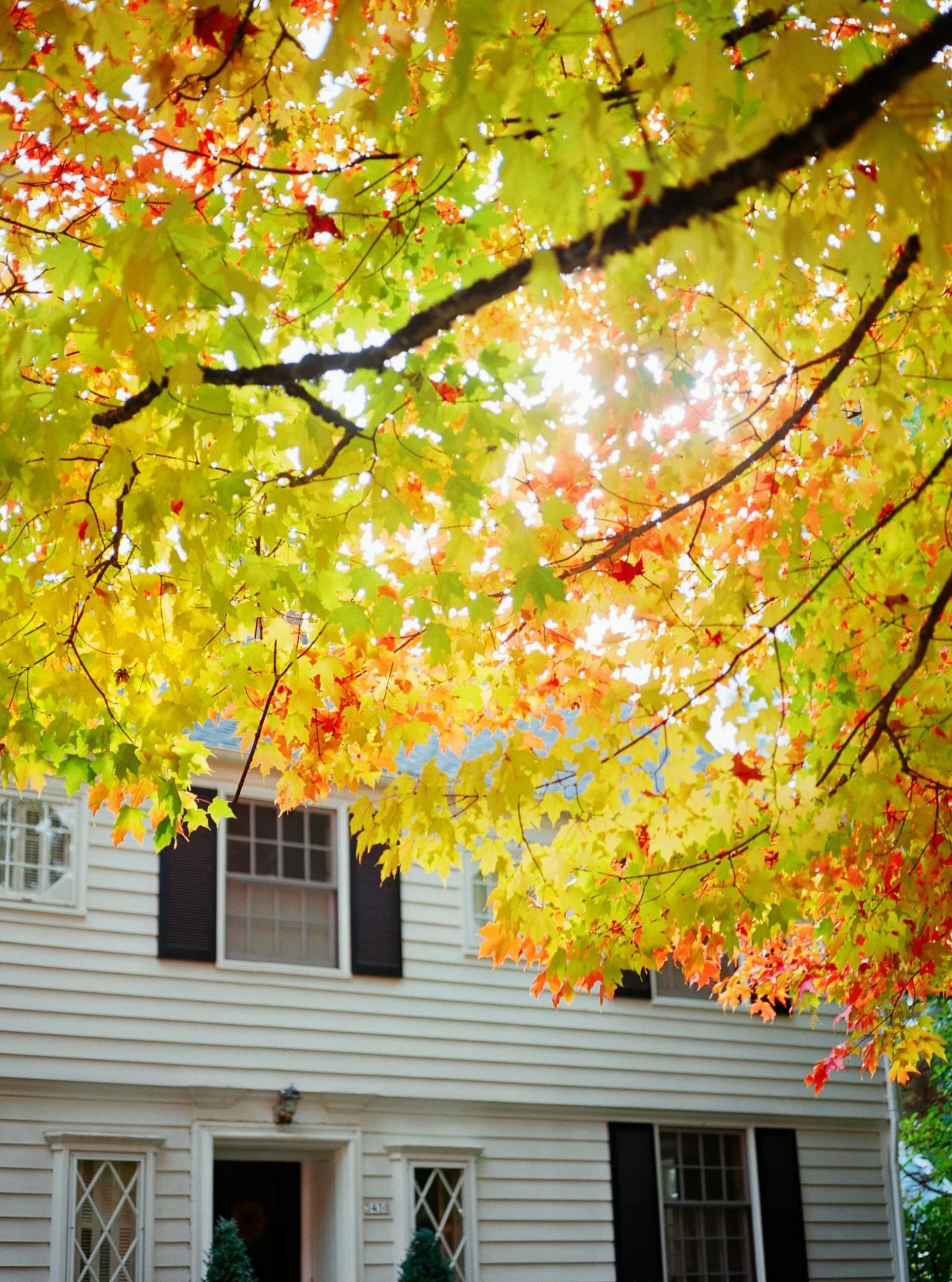
Can You Paint a House During Portland’s Rainy Season?
By the Cascade Painting & Restoration team
Yes, you can paint a house during Portland’s rainy season, but only when the weather and the surface meet the paint manufacturer’s requirements. Siding needs to be dry, temperatures must stay within the product’s range, and the forecast needs to allow time for the coating to dry. At Cascade Painting & Restoration, we schedule exterior work around those conditions. For many homeowners, that means planning for a dry stretch rather than choosing a date and hoping the rain holds off.
What makes painting a house during Portland’s rainy season difficult?
Rain can interrupt exterior painting before, during, or after application. A wet surface can prevent paint from bonding properly, while rain or heavy dew on fresh paint can affect the finish. Cool temperatures and high humidity can also slow drying, leaving less time for the coating to set before conditions change.
The forecast alone doesn’t tell the whole story. A south-facing wall might dry in the sun while a shaded, north-facing wall stays damp. Wood siding can hold moisture after the rain stops, especially where trees block airflow. That’s why we check the condition of the surface as well as the weather.
Portland’s climate makes those checks part of the schedule. Our Portland exterior painting service starts with a walkthrough to look for moisture, peeling paint, and wood damage. We prepare the surface and address needed repairs before applying paint.
What conditions need to be right?
There isn’t one safe temperature or wait time that applies to every paint. Check the product label and technical instructions for its minimum temperature, acceptable conditions, and drying time. The relevant temperature may include the air, the paint, and the surface itself.
As one example, Sherwin-Williams’ exterior surface preparation guidance advises against painting immediately after rain, when rain is forecast, or in foggy weather. It also gives a general temperature threshold, with exceptions for products made for colder conditions. Always follow the specific product instructions, since formulations differ.
Before work starts, the surface should be clean, sound, and dry. If a wall still feels damp or shows signs of moisture, it needs more drying time. Applying paint too soon can trap moisture or weaken adhesion. Likewise, if the forecast calls for rain before the coating can dry, wait for a better window.
How long should you wait after rain?
The answer depends on the surface, the amount of rain, shade, airflow, and temperature. A brief shower on a sunlit wall may leave different conditions than several days of rain on shaded wood siding. Don’t use a fixed number of hours as the only test.
Look at the wall itself. Check for damp patches, water collecting in joints, or surfaces that remain cool and wet to the touch. A professional painter can also assess whether the siding is ready for primer or paint. In Portland, north-facing walls and areas beneath dense tree cover often take longer to dry.
The surface needs to stay within the product’s required conditions while the coating dries. So even if the siding feels dry in the morning, a forecast for afternoon rain can rule out that day’s work. A workable window includes both application time and enough time afterward for the paint to dry as directed.
Is winter exterior painting ever possible?
Some exterior products allow application in cooler or more challenging conditions. That doesn’t mean every rainy-season day works. The siding still needs to be dry, and the air, surface, and product temperatures must meet the specific instructions.
Short daylight hours also limit the time available for surfaces to warm and dry. A narrow weather window might suit one section of a home but not the entire exterior. The crew may need to wait, shift the order of work, or return when the conditions improve.
At Cascade Painting & Restoration, we generally schedule exterior work for drier stretches, usually from late spring through early fall. July and August tend to be Portland’s driest months. If you’re hoping to paint during the wetter part of the year, discuss timing early so the scope and schedule can account for weather changes.
What should you ask when scheduling?
Before approving an exterior painting schedule, ask how the crew will judge whether the siding is dry, which product requirements matter, and how they’ll handle a change in the forecast. Clarify whether the schedule allows for drying time after washing or repairs, too. Those details can make it easier to understand why a project starts later or pauses for weather.
Also ask how the estimate accounts for surface condition. Peeling paint, soft wood, or signs of moisture can call for repair before painting. Our carpentry repair service addresses damaged siding and trim, and we complete those repairs before paint goes on when the project needs them.
Plan around the weather, not a fixed date
Painting a house during Portland’s rainy season is possible when the surface is dry, temperatures suit the product, and the forecast leaves enough time for the coating to dry. Those conditions can change from one wall to another and from one day to the next, so a flexible schedule matters.
If you’re considering an exterior repaint, we can walk through the surfaces, note any repairs, and discuss the likely timing. Contact Cascade Painting & Restoration to request an estimate. A conversation about the siding and your preferred schedule is a useful first step toward choosing a realistic weather window.
Related Guides
Recent Blogs
november 15, 2026
Should You Paint the Walls and Trim the Same Color?
november 6, 2026
How to Choose an Exterior Trim Color That Works With Your Siding
october 26, 2026
How Much Does It Cost to Paint a House Exterior in Portland?
october 19, 2026
What Should Be Included in a Professional House Painting Estimate?
october 16, 2026
How Wall Texture Affects Paint Color, Sheen, and Room Lighting
Contact Information
Reach out to us for a free estimate. We're here to help with all your painting needs.
- Call At:(503) 936-3255
- Email Us At:cascadepaintandres@gmail.com
- Hours:Mon–Sun 8 AM – 6 PM
- Serving:Portland Metro Area