How to Choose an Exterior Trim Color That Works With Your Siding
By the Cascade Painting & Restoration team
The right exterior trim color should work with your siding, roof, and other fixed parts of the house. Start by looking at those colors together in daylight, then decide whether you want the trim to blend in or stand out. At Cascade Painting & Restoration, we paint siding and trim across the Portland area, and we include a color consultation with exterior painting.
How to choose an exterior trim color with siding
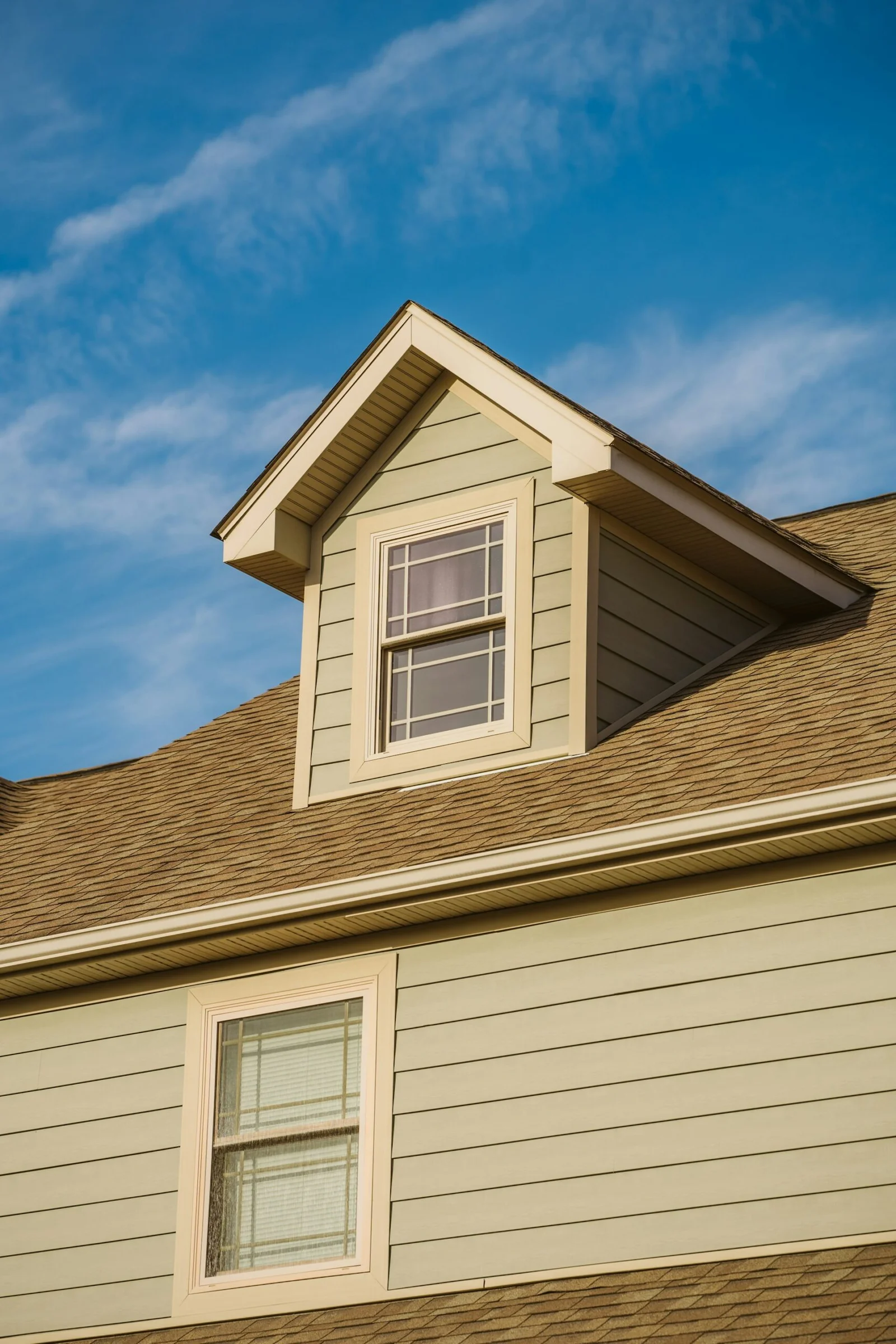
Begin with the siding, since it covers the largest area. Identify whether it reads warm, cool, or fairly neutral. A gray siding color might lean blue, green, or brown. White siding can look creamy or crisp depending on its undertone. That subtle cast affects which trim shades look natural beside it.
Compare the siding with the roof, brick or stone, foundation, and any permanent metal finishes. These features won’t necessarily match, but they should feel compatible. For example, a warm beige siding may look more settled with an off-white trim than with a stark white. A cool blue-gray siding may pair well with a clean white or a restrained charcoal.
Don’t choose a trim color from a small paint chip alone. Hold the chip next to the siding and look at it outside, where the colors will actually meet. If you’re repainting the siding too, compare samples for both colors at the same time.
Decide how much contrast you want
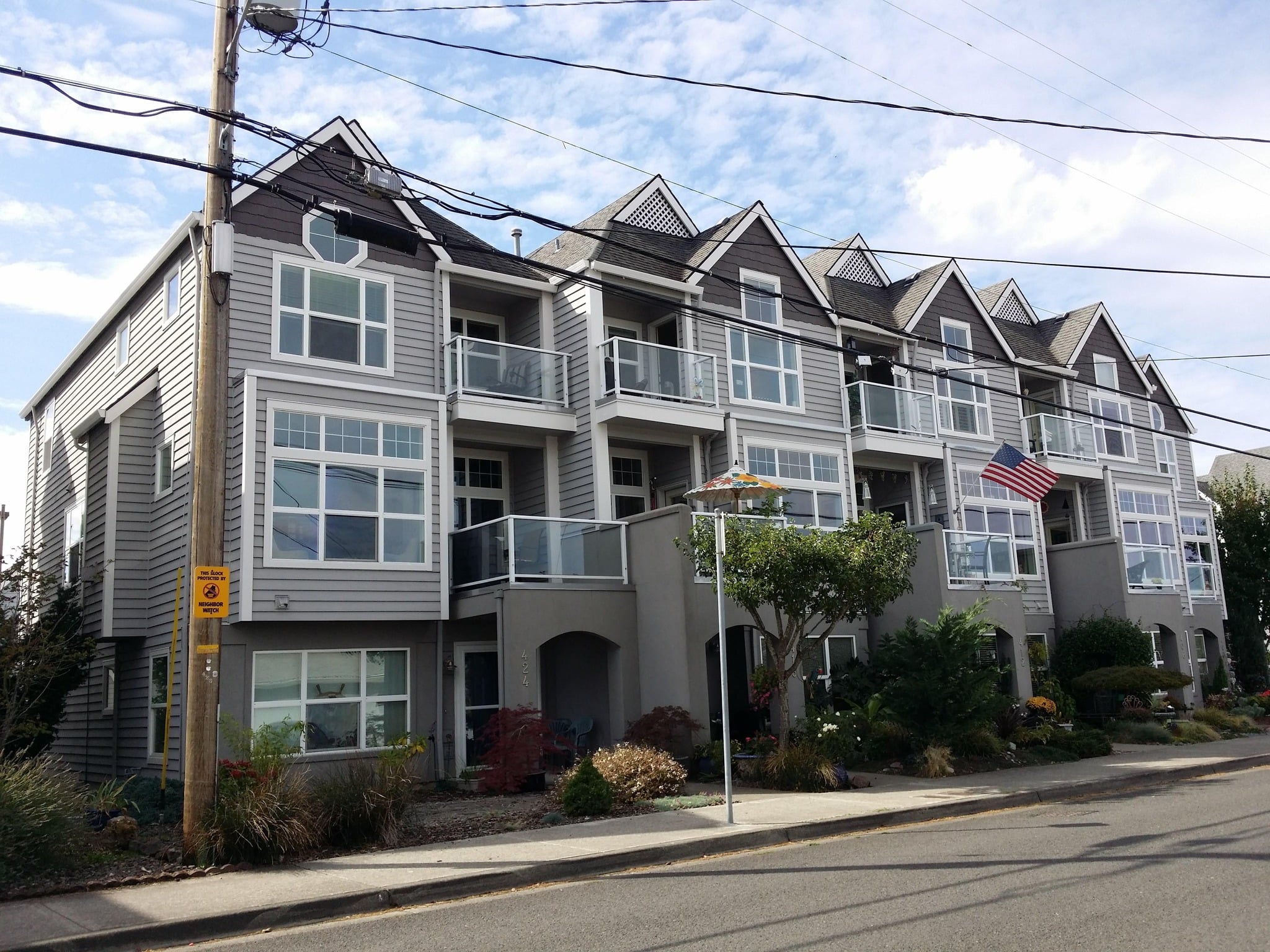
Trim outlines windows, doors, roof edges, and other architectural details. A lighter trim color usually draws attention to those lines. A darker trim color creates a stronger frame and can make the exterior feel more defined. Trim close in value to the siding tends to read more quietly.
Think about how much detail your house has. A home with decorative brackets, porch columns, or divided-light windows might suit a color that makes those features easy to see. On a simpler exterior, a high-contrast trim can add definition, but it may also become the first thing you notice.
Try a few combinations before settling on one:
- Light trim with medium or dark siding creates a clear outline.
- Dark trim with light siding gives windows and roof edges a stronger frame.
- Trim close to the siding color keeps the exterior more uniform.
These are starting points, not rules. The roof and masonry may shift how a pairing looks, so judge each color beside the actual surfaces on your home.
Consider the home’s style and existing features
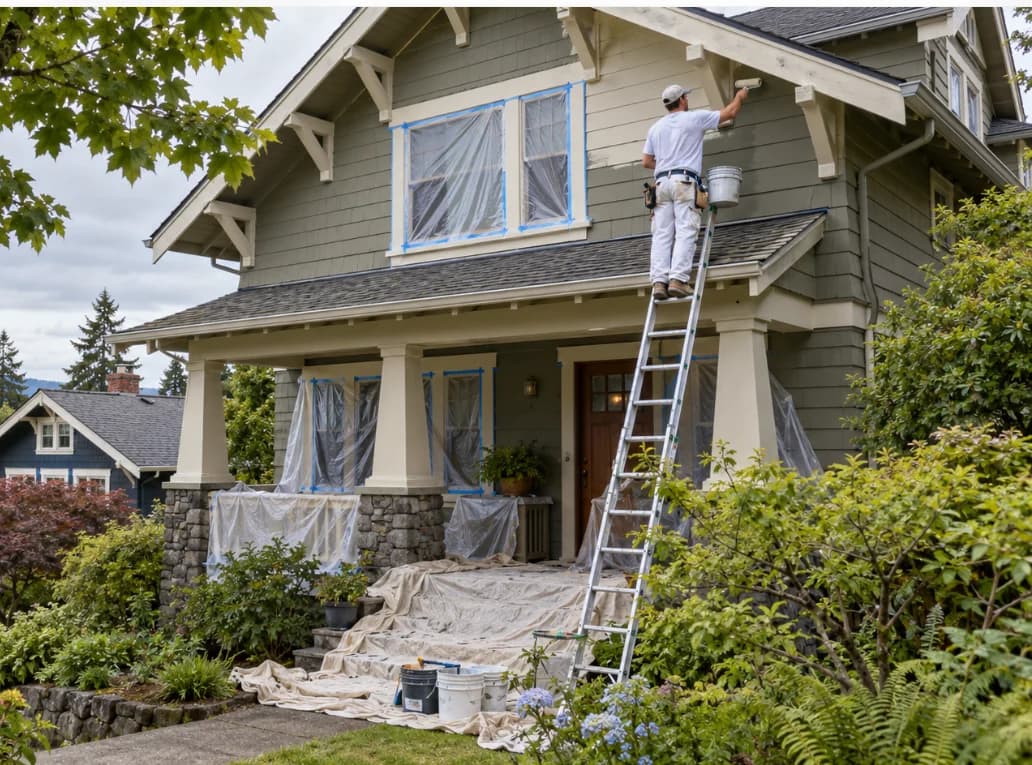
Your trim color should make sense with the home’s shape and materials. A Craftsman bungalow with deep eaves and porch details may have several trim surfaces worth distinguishing. A mid-century ranch often has longer, simpler lines where too many color changes can make the exterior feel busy.
You don’t have to recreate a historic color scheme exactly. Look at the details that give the house its character, such as the window style, siding pattern, porch, or brickwork. A restrained palette often lets those features stand out without competing for attention.
If your Portland home is in a historic or conservation district, check the City’s guidance on changes to historic resources before choosing a new exterior scheme. Some changes to historic properties are subject to review.
Test samples in different light
Exterior colors change with the light. A trim shade can look bright on a sunny wall and muted under a porch roof. Trees, neighboring buildings, and the direction each wall faces also affect what you see. Portland’s gray skies can make colors feel different than they do on a sunny afternoon.
Paint a large sample near the siding and look at it from the curb as well as up close. Check it in the morning, midday, and evening. If possible, place the sample on more than one side of the house. A single small chip viewed indoors won’t show how the color will read across a long fascia board or around a shaded window.
Give the sample time. If you’re comparing several options, label them clearly and view them together. You’ll be able to see which one sits comfortably beside the siding and which one looks too yellow, too blue, or too stark.
Keep the palette manageable
Most homes don’t need a different paint color for every exterior feature. Start with the main siding and trim colors. Then decide whether the front door or another focal point should have a separate accent color.
A third color can add interest, but use it deliberately. If the siding, trim, shutters, doors, porch railing, and foundation each have a different color, the house can feel chopped up. Repeat a color where it makes sense, such as using the same trim shade on window casings and fascia.
Also check which surfaces the project includes. If you’re repainting the siding but leaving the trim, the existing trim color becomes part of the decision. If you plan to paint both, pick the two colors as a pair so the finished exterior feels consistent.
Check the trim’s condition before painting
Color selection is easier once you know what surfaces will be painted. Peeling paint, soft wood, or water damage around trim should be addressed before new paint goes on. A fresh color won’t correct a damaged surface.
Our exterior painting service begins with a walkthrough to check for peeling paint, wood damage, and moisture problems. When wood needs attention, our carpentry repair service covers trim, siding, fascia, and soffits.
At Cascade Painting & Restoration, we can review your siding, fixed exterior features, and trim options during a color consultation. If you’re planning an exterior repaint in Portland or the surrounding area, contact our team to request a free on-site estimate. Bring your color ideas and any questions about the surfaces you want painted.
A good trim color should look right beside the siding, suit the home’s details, and hold up under the changing light around it. Compare samples outside before making the final choice.
Related Guides
Recent Blogs
october 26, 2026
How Much Does It Cost to Paint a House Exterior in Portland?

october 19, 2026
What Should Be Included in a Professional House Painting Estimate?
october 16, 2026
How Wall Texture Affects Paint Color, Sheen, and Room Lighting
october 13, 2026
How to Choose a Kitchen Cabinet Color You Will Not Regret
september 25, 2026
Should You Paint Kitchen Cabinets Before or After Repainting the Walls?
Contact Information
Reach out to us for a free estimate. We're here to help with all your painting needs.
- Call At:(503) 936-3255
- Email Us At:cascadepaintandres@gmail.com
- Hours:Mon–Sun 8 AM – 6 PM
- Serving:Portland Metro Area