Should You Paint the Walls and Trim the Same Color?
By the Cascade Painting & Restoration team
Yes, you can paint walls and trim the same color. It creates a more continuous look and puts less emphasis on the line between the wall and its edges. The result depends on the room’s light, the trim’s shape, and the paint sheen. At Cascade Painting & Restoration, we paint walls, ceilings, trim, doors, and cabinets throughout the Portland area, and we talk through color options during a project walkthrough.
When to paint walls and trim the same color
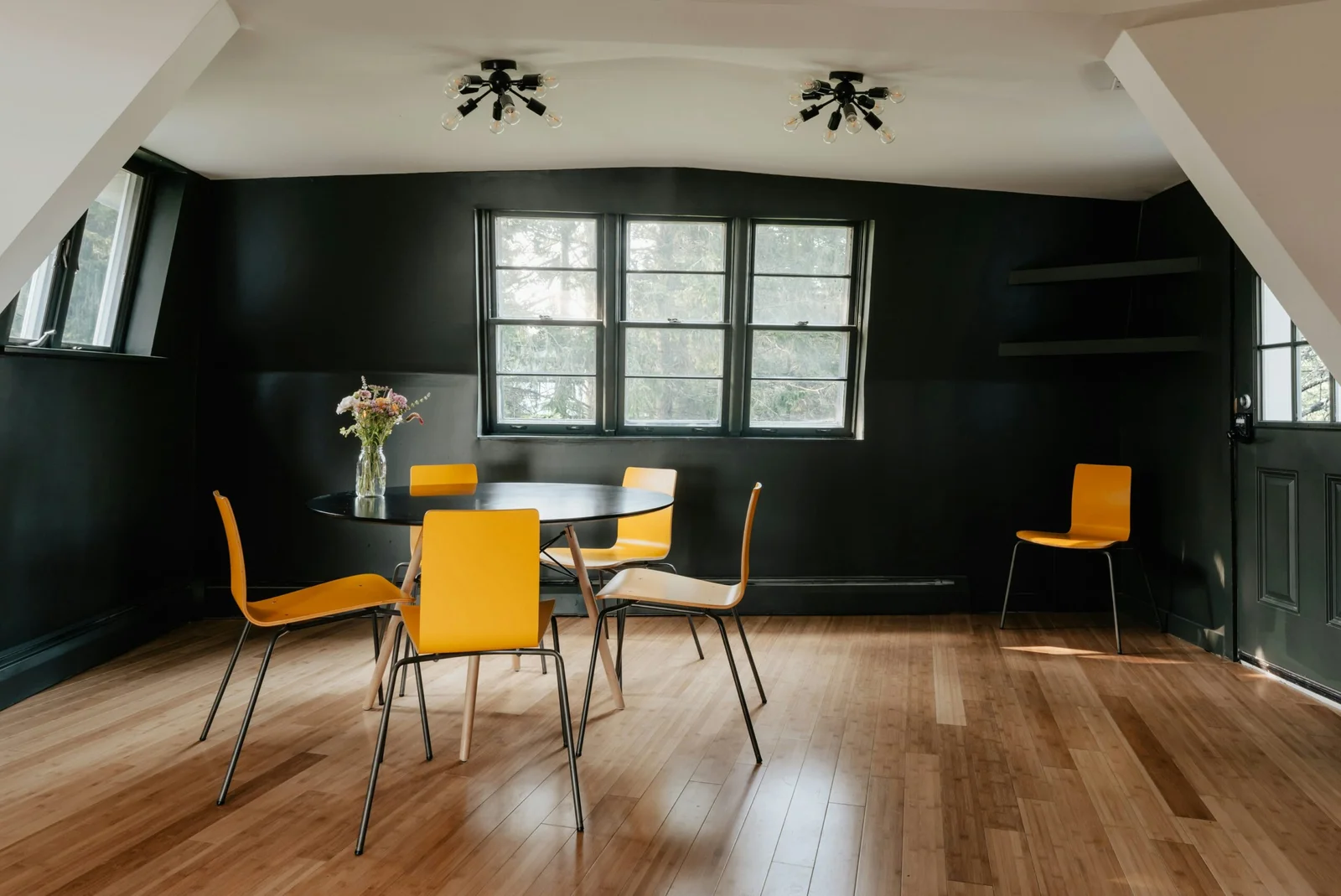
A single color works well when you want the room to feel calm and connected. It can also make an older room feel less visually busy, especially if the walls and trim have many seams, repairs, or changes in profile. Instead of drawing the eye to every edge, the color lets the room’s furniture, art, or architecture take the lead.
This approach suits rooms with simple baseboards and window casings, but it can work with detailed molding too. The trim’s shape will still cast shadows and catch light, even when the color matches the wall. If you want those details to stand out, use a different sheen or choose a nearby shade for the trim.
Painting both surfaces alike can also make a small room feel less divided. A contrasting trim color creates a visible outline around the walls, doors, and windows. A matching color softens that outline, which can make the room read as one continuous space.

Use sheen to create subtle separation
The same paint color can look different on the wall and trim if you use different sheens. A lower-sheen wall finish tends to reflect less light, while a glossier trim finish catches more of it. That contrast adds definition without introducing another color.
For example, you might use an eggshell or matte finish on the walls and a satin or semi-gloss finish on the trim. The best choice depends on the paint product, the surface condition, and how much cleaning the area needs. Review the manufacturer’s recommendations for the specific products you’re considering. Sherwin-Williams describes this approach in its guide to painting walls, doors, and trim the same color in different sheens.
Keep in mind that sheen can make surface flaws easier to see. Higher-sheen paint reflects more light, which may draw attention to dents, uneven joints, or old brush marks. If the trim has visible wear, address the surface before choosing a shinier finish.
Think about the room’s light and surfaces
A color can shift as daylight and artificial light change. In a Portland home, a room may get cool, overcast light for much of the day, then look warmer under lamps in the evening. A color that looks neutral on a sample card might feel noticeably different across a whole wall.
Test the paint on both the wall and trim, or on sample boards held beside each surface. Check the samples at different times of day and with the room’s regular lighting turned on. A sample on a flat wall won’t show exactly how the color will look on a narrow window casing or a glossy baseboard.
Also consider the surfaces that won’t be painted. Floors, tile, countertops, brick fireplaces, and wood doors all influence how a wall color reads. A warm wood floor can make a cool gray seem bluer. A cream-colored rug or stone surface can make a crisp white look stark by comparison.
Our article on how wall texture affects paint color, sheen, and room lighting covers another factor that can change how a color looks after application.
When a contrasting trim color makes more sense
A different trim color may suit a room where you want to highlight the windows, doors, or molding. Traditional rooms often use a lighter trim against darker walls, while a deeper trim color can add weight and definition to a lighter room. Either choice can work; the right one depends on the look you want and the details you want people to notice.
Consider a contrast if the trim has a strong profile or the room feels flat with one color. You don’t have to default to bright white. A softer white, pale gray, or darker shade from the wall’s color family can create a gentler distinction.
If the room opens directly into another space, look at both areas before choosing. A trim color that works in one room may create an abrupt border at the doorway. Carrying the same trim color through connected spaces can make the transition feel more settled.
Check the trim’s condition before choosing a finish
Color and sheen won’t hide damaged trim. Loose paint, dents, gaps, or rough patches can show through the new finish, especially when the sheen reflects light. Walk around the room and look closely at corners, baseboards, window casings, and door frames before settling on the final plan.
If the walls or trim need repair, include that work in the project scope. Our interior painting service includes patching holes and cracks, protecting floors and furniture, and painting trim as part of residential and commercial projects in the Portland metro area.
At Cascade Painting & Restoration, we can review the room’s surfaces and color choices during a walkthrough. If you’re planning an interior repaint, contact our team to ask about the project and request an estimate.
Painting walls and trim the same color is a practical option when you want a more continuous look. Choose the finish based on the room’s use and the condition of the surfaces, then test the color in the actual light before committing.
Related Guides
Recent Blogs
november 6, 2026
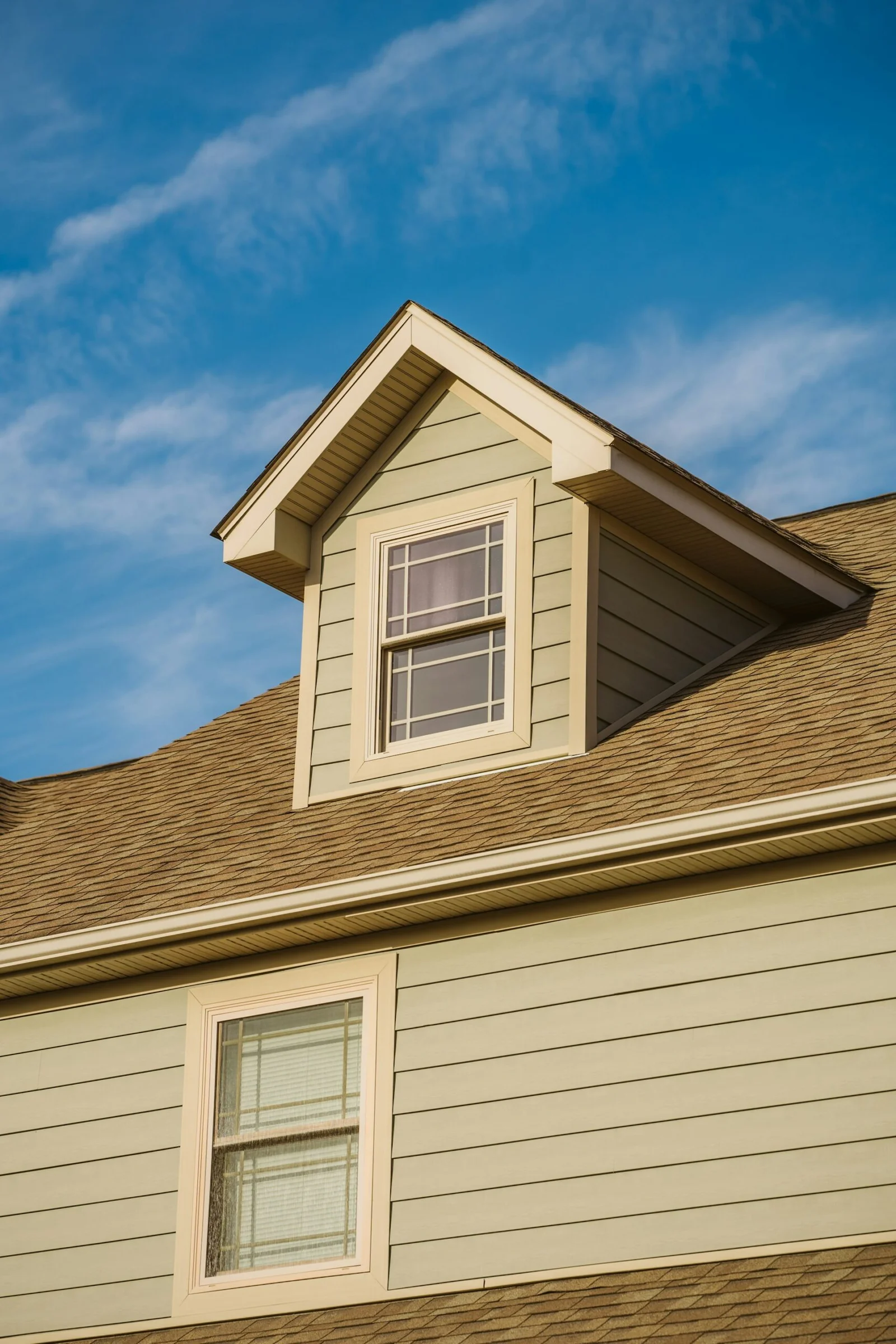
How to Choose an Exterior Trim Color That Works With Your Siding
october 26, 2026
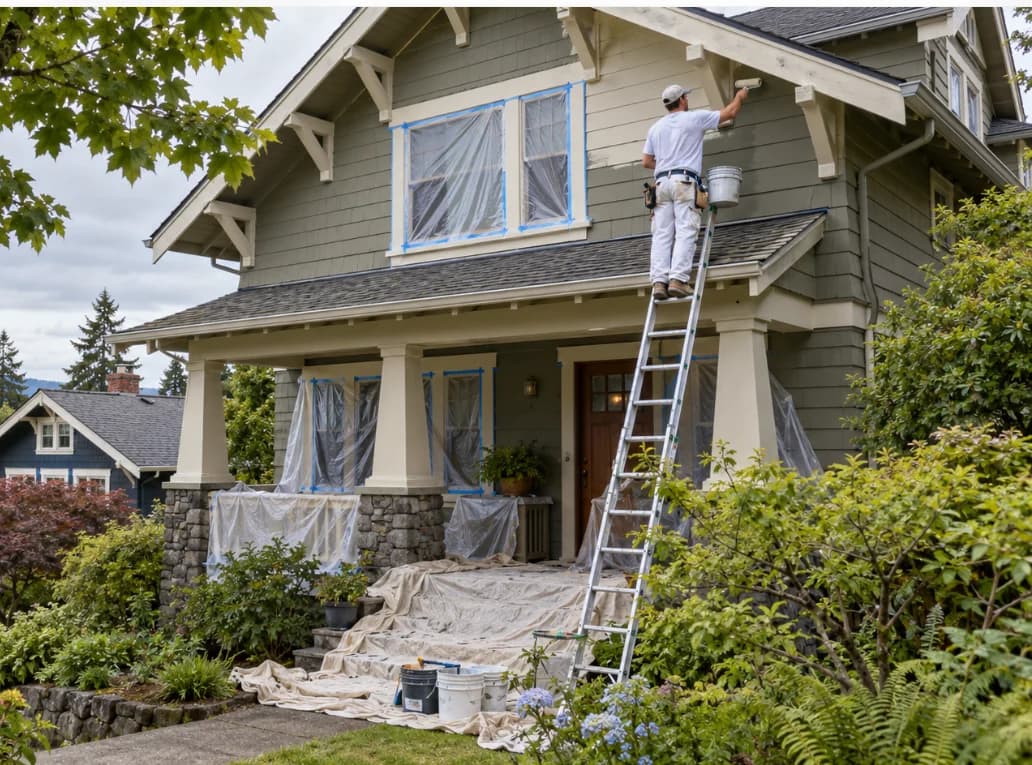
How Much Does It Cost to Paint a House Exterior in Portland?

october 19, 2026
What Should Be Included in a Professional House Painting Estimate?
october 16, 2026
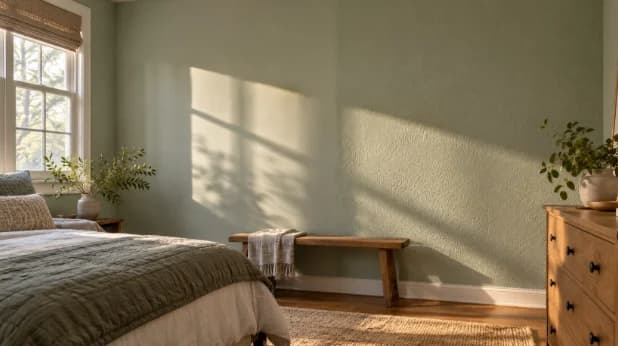
How Wall Texture Affects Paint Color, Sheen, and Room Lighting

october 13, 2026
How to Choose a Kitchen Cabinet Color You Will Not Regret
Contact Information
Reach out to us for a free estimate. We're here to help with all your painting needs.
- Call At:(503) 936-3255
- Email Us At:cascadepaintandres@gmail.com
- Hours:Mon–Sun 8 AM – 6 PM
- Serving:Portland Metro Area