How to Choose a Painting Contractor in Portland
By the Cascade Painting & Restoration team
Choosing a painting contractor in Portland comes down to a few checks: an active Oregon CCB license, a written estimate that spells out preparation and materials, a clear schedule, and a track record you can verify. The lowest bid often leaves out the work that makes paint last, so compare what each estimate includes before comparing the price.
Cascade Painting & Restoration has painted homes and commercial buildings in the Portland metro area since 1988. In that time, we have seen what separates a paint job that holds up for a decade from one that starts peeling after two winters. This guide walks through the questions to ask, the paperwork to expect, and the warning signs to watch for, whether you are planning interior painting, exterior painting, or a larger repair and repaint.
Start With the Oregon CCB License
Oregon requires contractors who work on homes to be licensed with the Construction Contractors Board (CCB). A CCB license is not a mark of quality on its own, but working with an unlicensed contractor removes many of the protections Oregon homeowners rely on.
The Oregon CCB website has a free license search. Enter the company name or license number and check:
- License status. It should be active, not lapsed, suspended, or expired.
- License type. Residential work requires a residential endorsement.
- Bond and insurance. The record shows whether the required bond and liability insurance are on file.
- How long the company has been licensed. A long licensing history under the same name is a good sign.
- Complaint history. The record shows past claims filed against the contractor.
Ask for the license number at the first conversation. A legitimate contractor will give it to you without hesitation, and it should appear on their estimate, contract, and advertising.
Confirm Insurance and Workers’ Compensation
Liability insurance protects your property if something goes wrong on the job. Workers’ compensation protects the people working on your house. Both matter.
Some low bids come from companies that pay workers in cash and skip workers’ compensation, payroll taxes, and insurance. That arrangement can shift risk onto the homeowner if someone is injured on a ladder or a scaffold at your house. Ask whether the crew are employees covered by workers’ compensation, and ask for a certificate of insurance if you want written proof.
Ask About Lead-Safe Work on Older Homes
Many Portland houses were built before 1978, when lead-based paint was still in use. Scraping and sanding that old paint creates dust that is hazardous, especially for children.
Contractors who disturb paint in pre-1978 homes need lead-safe certification and must follow specific containment and cleanup practices. If your home was built before 1978, ask the contractor how they will test, contain, and clean up. Our post on painting an older Portland home covers what to check before work starts.
Read the Estimate for Preparation, Not Just Price
Preparation is where cheap paint jobs cut corners. It takes the most labor, and it is the part you cannot see once the final coat goes on.
A useful estimate describes:
- Surface preparation. Washing, scraping, sanding, caulking, spot priming, and repairs to rot or damaged drywall.
- Areas included. Walls, ceilings, trim, doors, windows, siding, soffits, fascia, or decks, listed clearly.
- Number of coats. Two finish coats is standard for most repaints and color changes.
- Paint products. The brand and product line, not just “premium paint.”
- Protection and cleanup. How floors, furniture, plants, and fixtures will be covered, and what cleanup looks like each day.
If one bid is far below the others, compare the line items. The difference is usually missing preparation, a single coat, or lower-grade paint. Applying too little paint is one of the easiest ways to cut a price, and it is one of the main reasons paint fails early.
Ask Which Paint They Plan to Use
Paint quality has never been better than it is today, but the gap between a contractor-grade product and a top-line product is still large, especially on exteriors and high-traffic interior trim.
A good contractor will offer you options and explain the cost difference. Paint is usually a small share of a project’s total cost compared with labor, so upgrading the product rarely adds much to the bid and often adds years to the finish. For exteriors in Portland’s wet climate, ask how the product handles moisture, mildew, and cooler application temperatures.
If you are trying to budget, our Portland painting cost guide explains what drives the price of interior and exterior projects.
Get It in Writing
Oregon has specific requirements for residential construction contracts, including written contracts and consumer notices for many jobs. The CCB’s consumer resources explain what you should receive before work starts.
Beyond what the law requires, a written agreement protects both sides. It should include the scope of work, price, payment schedule, start and completion estimates, paint products and colors, and how changes will be handled. Avoid paying a large share of the total upfront. A reasonable deposit followed by payment on completion is common for residential painting.
Check Reviews and Track Record
Look for reviews that describe specific projects, not just star ratings. Useful reviews mention how the crew handled preparation, whether the job finished on schedule, how clean the site was, and how the company responded when something came up.
Ask how long the company has been in business and whether they have done work similar to yours. A company that has painted older homes, occupied offices, or HOA-governed properties will understand the extra planning those projects need. You can also ask for references from recent jobs in your area.
Pay Attention to How They Communicate
The estimate visit tells you a lot. A good contractor will walk the house with you, look closely at problem areas, ask how you use the space, and explain what they see. They should be able to tell you who will be on site, who to call with questions, and how often the person who sold the job will check on progress.
Be cautious if a contractor:
- Gives a price without looking at the surfaces up close.
- Pressures you to sign the same day for a special discount.
- Asks for most or all of the payment before starting.
- Will not provide a license number or written estimate.
- Is vague about who will actually do the work.
A Better Job Costs Less Over Time
It is tempting to take the lowest bid. But a paint job that needs to be redone in four years instead of ten costs more in the long run, especially on an exterior where scaffolding, prep, and weather windows drive the price.
Your home is likely your largest investment. The right contractor treats it that way, with proper preparation, quality materials, and a crew that respects the property while they work.
Cascade Painting & Restoration is a licensed, bonded, and insured painting contractor serving Portland, Lake Oswego, West Linn, Milwaukie, and the surrounding metro area. If you are comparing painting contractors, contact our team for a free on-site estimate. We will walk the project with you and explain exactly what preparation and materials your home needs.
Related Guides
Recent Blogs

october 16, 2026
How Wall Texture Affects Paint Color, Sheen, and Room Lighting

october 13, 2026
How to Choose a Kitchen Cabinet Color You Will Not Regret
september 25, 2026
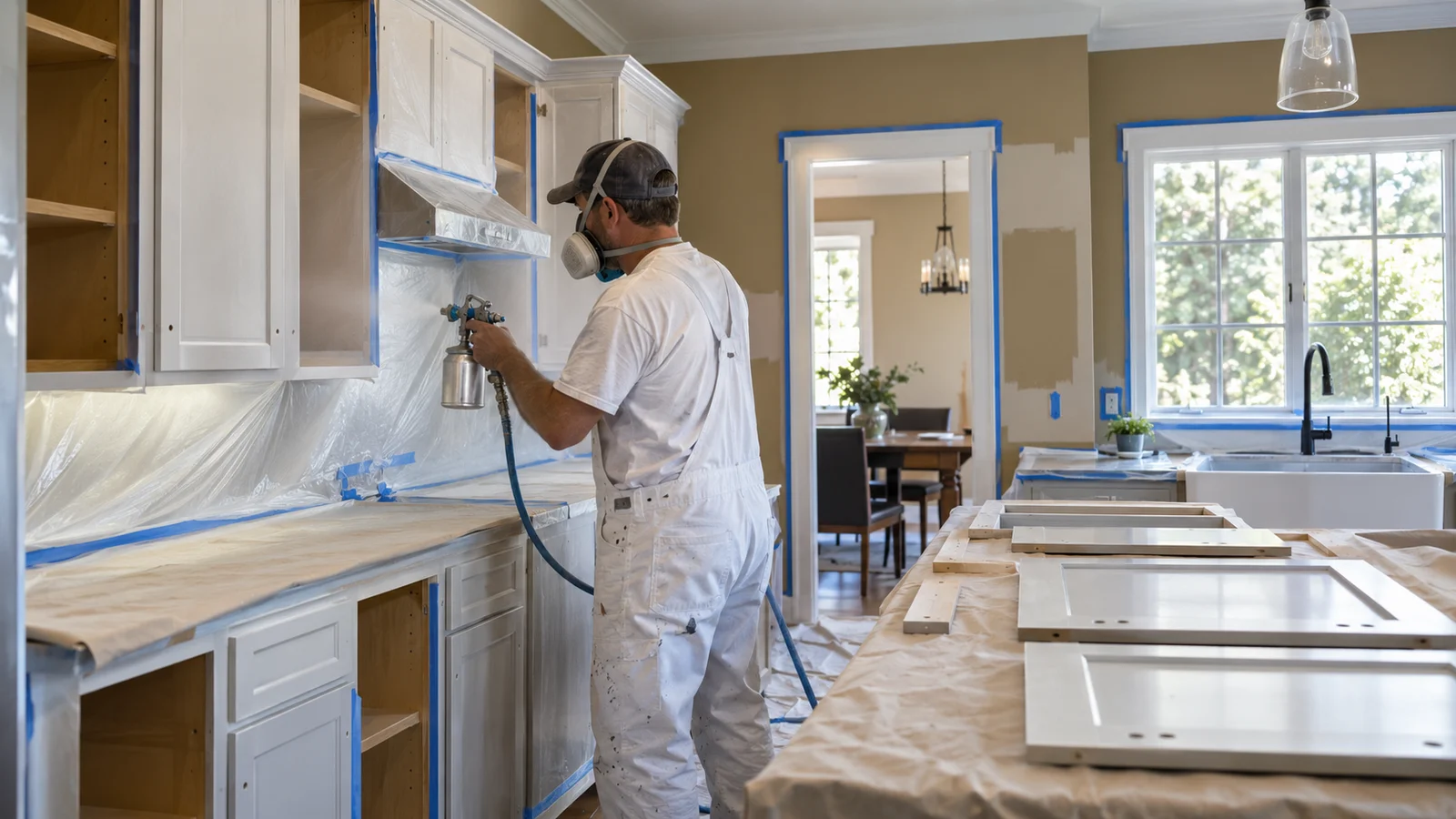
Should You Paint Kitchen Cabinets Before or After Repainting the Walls?
september 21, 2026
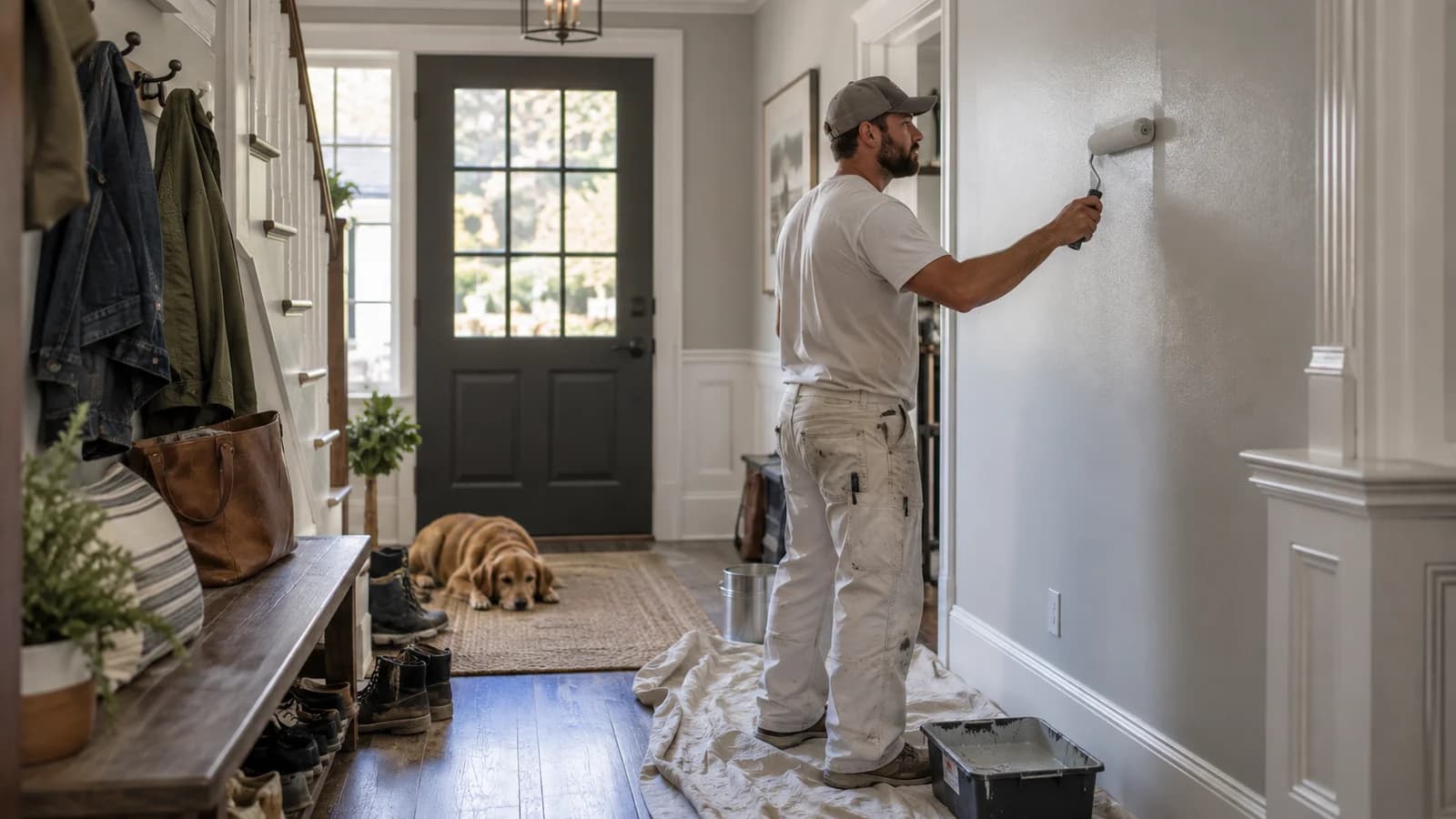
Flat, Eggshell, or Satin: Which Paint Finish Is Best for High-Traffic Rooms?
september 20, 2026
Can You Smooth Textured Walls Without Replacing the Drywall?
Contact Information
Reach out to us for a free estimate. We're here to help with all your painting needs.
- Call At:(503) 936-3255
- Email Us At:cascadepaintandres@gmail.com
- Hours:Mon–Sun 8 AM – 6 PM
- Serving:Portland Metro Area