8 min read
Drywall Repair Before Painting: Why Smooth Walls Matter
By the Cascade Painting & Restoration team
A fresh coat of paint can help a room feel brighter, cleaner, and more finished. But if the drywall underneath is damaged, the final result may not look as smooth as you hoped. Paint can refresh a wall, but it cannot hide every hole, crack, dent, stain, or uneven texture.
That is why drywall repair should happen before painting begins.
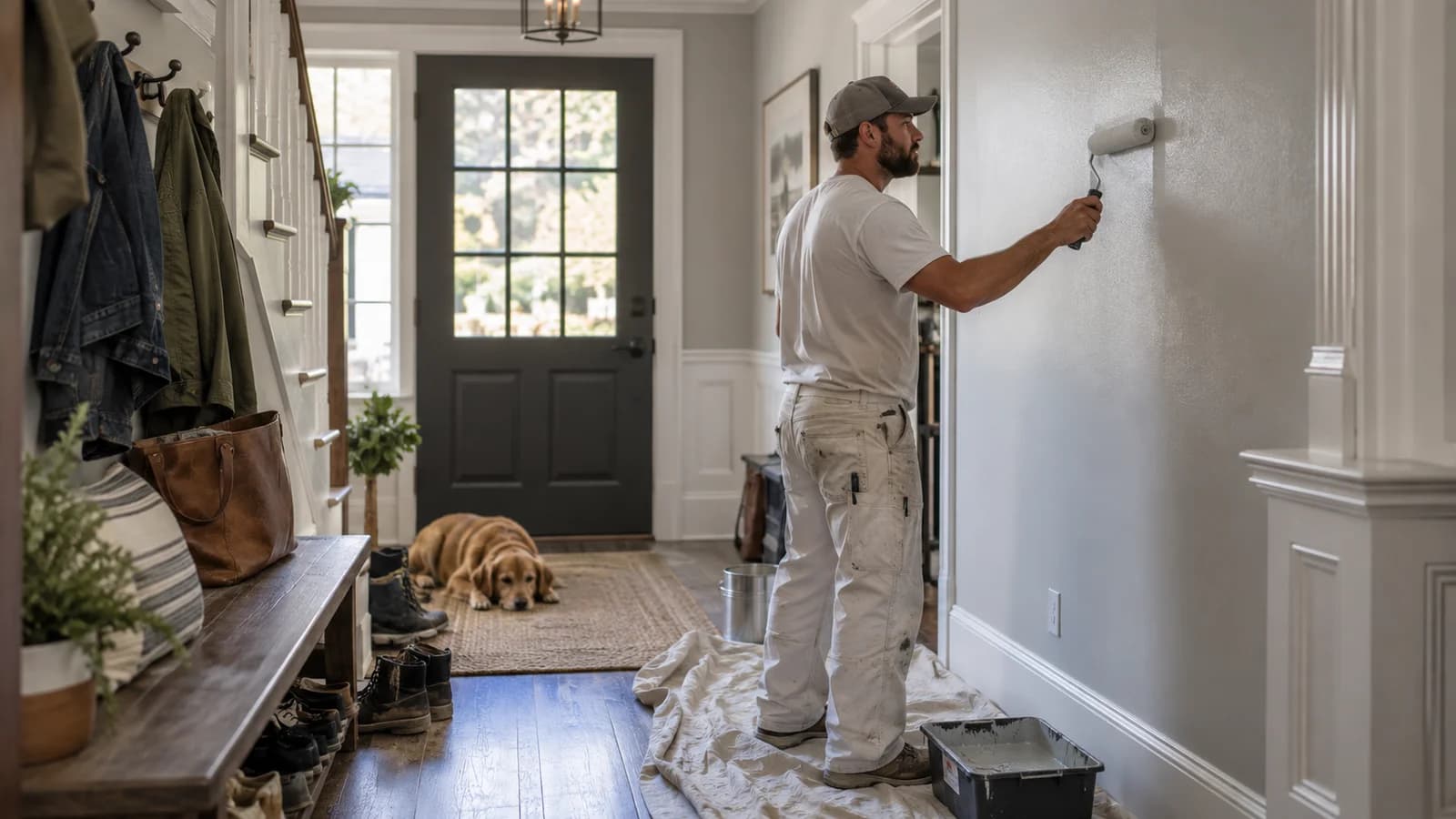
For homeowners planning an interior painting project, repairing the walls first is one of the most important steps in getting a professional-looking finish. Smooth, properly repaired drywall helps paint apply evenly, improves the room’s appearance, and prevents existing damage from standing out once the new color is on the wall.
Whether you have nail holes, settlement cracks, water damage, ceiling imperfections, or mismatched wall texture, Cascade Painting & Restoration can help with drywall repair as a standalone service or as part of a larger painting project.

Paint Looks Best on a Smooth, Stable Surface
Paint follows the surface underneath it. If the wall has dents, cracks, raised patches, a rough texture, or poorly repaired areas, those imperfections may still be visible after painting. In some cases, a fresh coat of paint can actually make wall damage more noticeable, especially when light hits the surface.
This is common in rooms with natural light, hallways, stairwells, living rooms, and spaces where walls are viewed from an angle. Even small bumps or uneven patches can become more visible once new paint is applied.
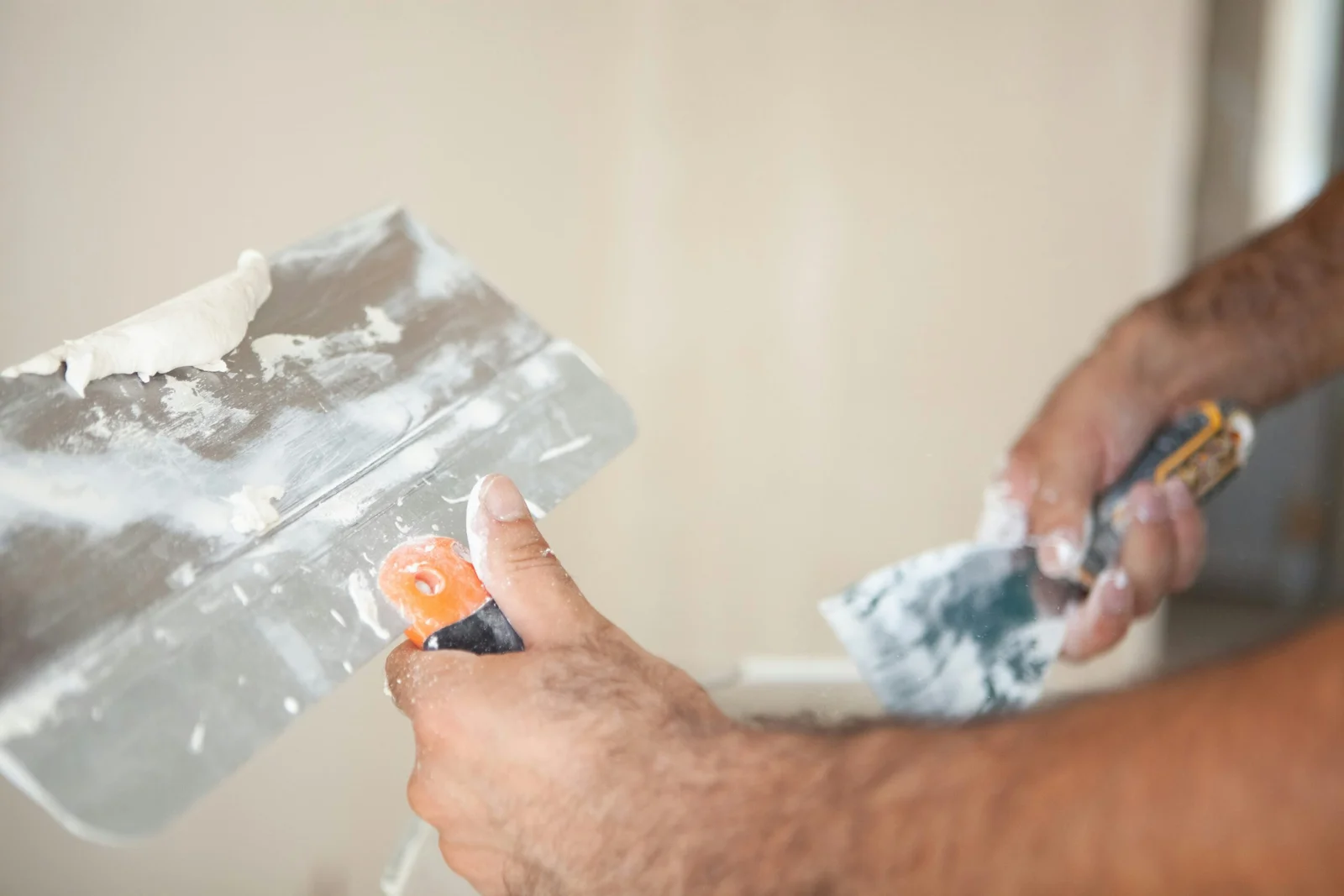
Professional drywall repair helps create a smoother surface before painting. Holes are patched, cracks are repaired, damaged areas are stabilized, and rough spots are sanded so the wall is ready for primer and paint.
If you are investing in interior painting, it makes sense to repair the drywall first. Otherwise, you may end up with freshly painted walls that still look unfinished.
Nail Holes, Dents, and Everyday Wall Damage Add Up
Most homes have some level of drywall damage. Nail holes from picture frames, dents from furniture, scuffs from daily use, and small chips around corners are all common. These may seem minor on their own, but once a room is painted, they can affect the final appearance.
Before painting, small holes and dents should be filled, sanded, and blended into the surrounding wall. This gives the paint a more even surface and helps the room look cleaner.
Drywall repair is especially helpful before painting:
- Living rooms
- Bedrooms
- Hallways
- Entryways
- Stairwells
- Dining rooms
- Home offices
- Rental or move-out spaces
- Rooms being prepared for sale
If your walls have years of small marks and repairs, addressing them before painting can make the finished room feel much more polished.
Cracks Should Be Repaired Before They Are Covered
Cracks in drywall should not simply be painted over. While paint may temporarily hide a hairline crack, the crack can return or become more noticeable over time if it is not properly repaired.
Drywall cracks may appear around windows, doors, ceilings, corners, seams, or areas where the home has settled. Some cracks are cosmetic, while others may point to movement, moisture, or previous installation issues.
Before painting, the damaged area should be evaluated and repaired. This may include cleaning out the crack, applying joint compound, reinforcing the area when needed, sanding it smooth, and priming before painting.
Painting over cracks without repair can leave visible lines under the paint. It can also cause the new finish to split or look uneven later. Repairing cracks first helps create a cleaner, longer-lasting result.
Water-Damaged Drywall Needs Special Attention
Water damage is one of the most important issues to address in drywall before painting. Stains, bubbling, soft spots, sagging, peeling texture, or discoloration may indicate that moisture has affected the drywall.
Before any repair or painting begins, the source of the water problem should be fixed. This could be a roof leak, a plumbing issue, a window leak, a bathroom moisture problem, or exterior water intrusion. Painting over active water damage will not solve the issue.
Once the moisture source is addressed, the damaged drywall can be repaired or replaced, depending on its severity. Minor staining may require sealing and priming, while soft or crumbling drywall may need to be cut out and replaced.
Water stains can also bleed through paint if they are not properly treated. That is why priming is often necessary after repairing water-damaged drywall. The right primer helps block stains and creates a better base for the new paint.
For homeowners, addressing water damage before painting protects both the room’s appearance and the wall’s integrity.
Texture Matching Helps Repairs Blend In
Drywall repair is not just about filling a hole. The repaired area also must match the surrounding wall or ceiling texture.
Many homes have textured walls or ceilings, and each texture has its own pattern and appearance. If a patch is smooth but the surrounding wall has texture, the repair may stand out after painting. If the texture is applied too heavily or too lightly, the area may still be noticeable.
Texture matching is an important part of professional drywall repair. The goal is to make the repaired area blend as naturally as possible with the existing surface before paint is applied.
This is especially important for:
- Ceiling repairs
- Large wall patches
- Water damage repairs
- Older homes with existing texture
- Areas with visible natural light
- Repairs in main living spaces
A good paint job depends on the surface underneath. When texture matching is done properly, the final coat of paint looks more consistent across the entire wall or ceiling.
Ceiling Repairs Should Be Done Before Painting
Ceilings are easy to overlook until damage appears. Cracks, water stains, nail pops, sagging spots, or peeling texture can make a room feel worn even if the walls are freshly painted.
Because ceilings catch light differently from walls, imperfections can be very noticeable. A poor patch or uneven repair may stand out once paint is applied.
Ceiling drywall repair may involve patching cracks, repairing water damage, replacing damaged sections, matching texture, sanding, and priming before repainting. In some cases, ceiling repairs require extra care due to gravity, lighting, and the need to blend the repair into a large, uninterrupted surface.
If you are repainting a room and the ceiling has visible damage, it is best to repair it at the same time. This creates a more complete, finished look and prevents the ceiling from making the rest of the room feel incomplete.
Sanding Creates a Better Finish
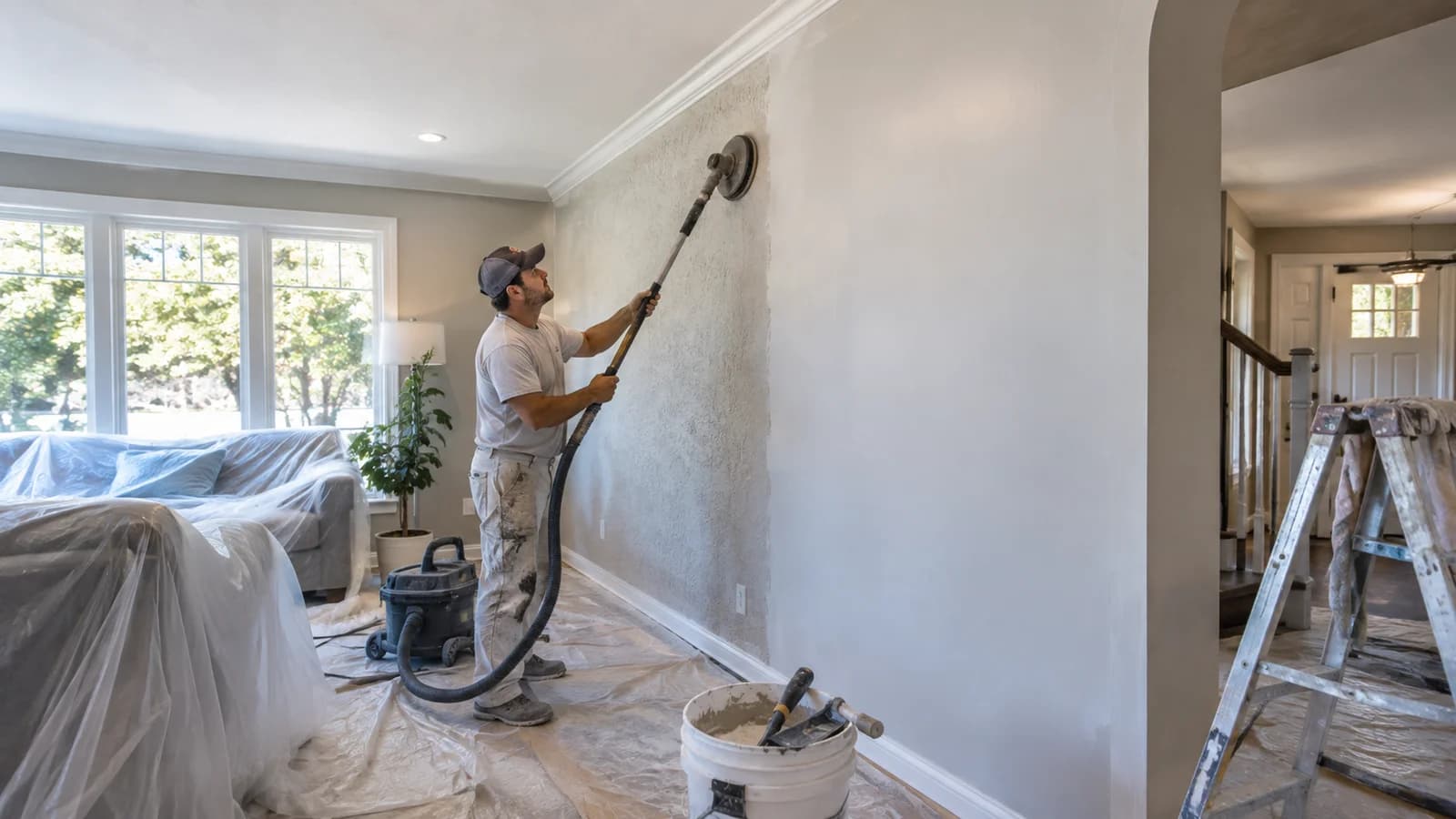
Sanding is one of the most important steps in drywall repair before painting. After patching or applying joint compound, the repaired area needs to be smoothed to avoid raised edges, ridges, or uneven spots.
Without proper sanding, repaired areas can look lumpy or obvious under paint. Even if the paint color is beautiful, the wall may still look rough.
Professional sanding helps blend the repair into the surrounding surface. It also helps primer and paint apply more evenly.
However, sanding should be done carefully. Over-sanding can damage the repair or surrounding drywall, while under-sanding can leave visible texture problems. A professional drywall repair and painting team knows how to prepare the surface without creating unnecessary dust or damage.
Primer Helps Repaired Areas Paint Evenly
Drywall repairs should usually be primed before painting. Joint compound and patched areas absorb paint differently from the surrounding wall. If they are not primed, the repaired spots may flash, appearing duller, shinier, or visibly different after the finish coat is applied.
Primer helps seal the repaired area and creates a more even surface for paint. It also helps block stains when repairs involve water damage or discoloration.
This step is especially important when painting with darker colors, using certain finishes, or repairing multiple areas in one room. Proper priming helps the final paint color look more consistent from wall to wall.
Drywall Repair Can Be a Standalone Service or Part of a Painting Project
Not every homeowner needs a full interior painting project right away. Sometimes the priority is repairing damaged drywall from a leak, an accident, a move-out, a remodel, or everyday wear and tear. Other times, drywall repair is part of preparing a room for new paint.
Cascade Painting & Restoration can handle drywall repair as a standalone service or bundle it with interior painting. This is helpful for homeowners who want one team to handle both the repair and the finished paintwork.
Bundling drywall repair with painting can make the process easier because the same team can prepare the wall, match texture, prime the repair, and repaint the area for a more seamless result.
This is especially useful for:
- Rooms with multiple wall repairs
- Painting after water damage
- Preparing a home for sale
- Rental property turnover
- Ceiling repairs and repainting
- Interior refresh projects
- Remodel touch-ups
Instead of hiring one company for drywall repair and another for painting, homeowners can simplify the process by working with a team that understands both.
Why DIY Drywall Repairs Often Show Through Paint
Small drywall repairs may seem simple, but getting them to disappear under paint takes skill. DIY patches often show because they are not sanded properly, the texture does not match, the repair is too raised, or the patched area was not primed before painting.
Common DIY drywall repair issues include:
- Patch edges that remain visible
- Overfilled holes or dents
- Uneven sanding
- Texture that does not match
- Paint flashing over repaired areas
- Water stains showing through
- Cracks returning after painting
For small, hidden areas, a DIY repair may be sufficient. But for main rooms, ceilings, entryways, or walls with strong lighting, professional drywall repair can have a significant impact.
If your goal is a clean, finished paint job, it is worth repairing the drywall correctly before the first coat of paint goes on.
When to Schedule Drywall Repair Before Painting
The best time to schedule drywall repair is before interior painting begins. This allows repair work, sanding, priming, and painting to proceed in the correct order.
Homeowners should consider drywall repair before painting if they notice:
- Nail holes or anchor holes
- Dents, chips, or gouges
- Cracks near doors, windows, or ceilings
- Water stains or soft drywall
- Bubbling paint or peeling texture
- Poor previous patchwork
- Ceiling cracks or discoloration
- Texture that does not match
- Damage from moving furniture or fixtures
Even if the damage seems minor, it is worth pointing it out during the estimate. A professional can explain what needs repair and what can be addressed during the painting prep process.
Smooth Walls Make the Whole Room Feel Better
Drywall repair may not be the most exciting part of a painting project, but it is one of the most important. Smooth walls help paint look cleaner, colors appear more even, and rooms feel better maintained.
When holes, cracks, water damage, ceiling repairs, texture issues, and rough patches are handled before painting, the final result looks more professional and lasts longer.
Cascade Painting & Restoration provides drywall repair and interior painting services for homeowners throughout the Portland Metro area. Whether you need drywall repair on its own or want to bundle wall repairs with a painting project, their team can help prepare your surfaces for a smooth, finished result.
If your walls or ceilings need attention before painting, contact Cascade Painting & Restoration to request a free estimate.
Related Guides
Recent Blogs

october 16, 2026
How Wall Texture Affects Paint Color, Sheen, and Room Lighting
october 13, 2026
How to Choose a Kitchen Cabinet Color You Will Not Regret
september 25, 2026
Should You Paint Kitchen Cabinets Before or After Repainting the Walls?
september 21, 2026
Flat, Eggshell, or Satin: Which Paint Finish Is Best for High-Traffic Rooms?
september 20, 2026
Can You Smooth Textured Walls Without Replacing the Drywall?
Contact Information
Reach out to us for a free estimate. We're here to help with all your painting needs.
- Call At:(503) 936-3255
- Email Us At:cascadepaintandres@gmail.com
- Hours:Mon–Sun 8 AM – 6 PM
- Serving:Portland Metro Area