How Late in the Year Can You Paint a House Exterior in Portland?
By the Cascade Painting & Restoration team
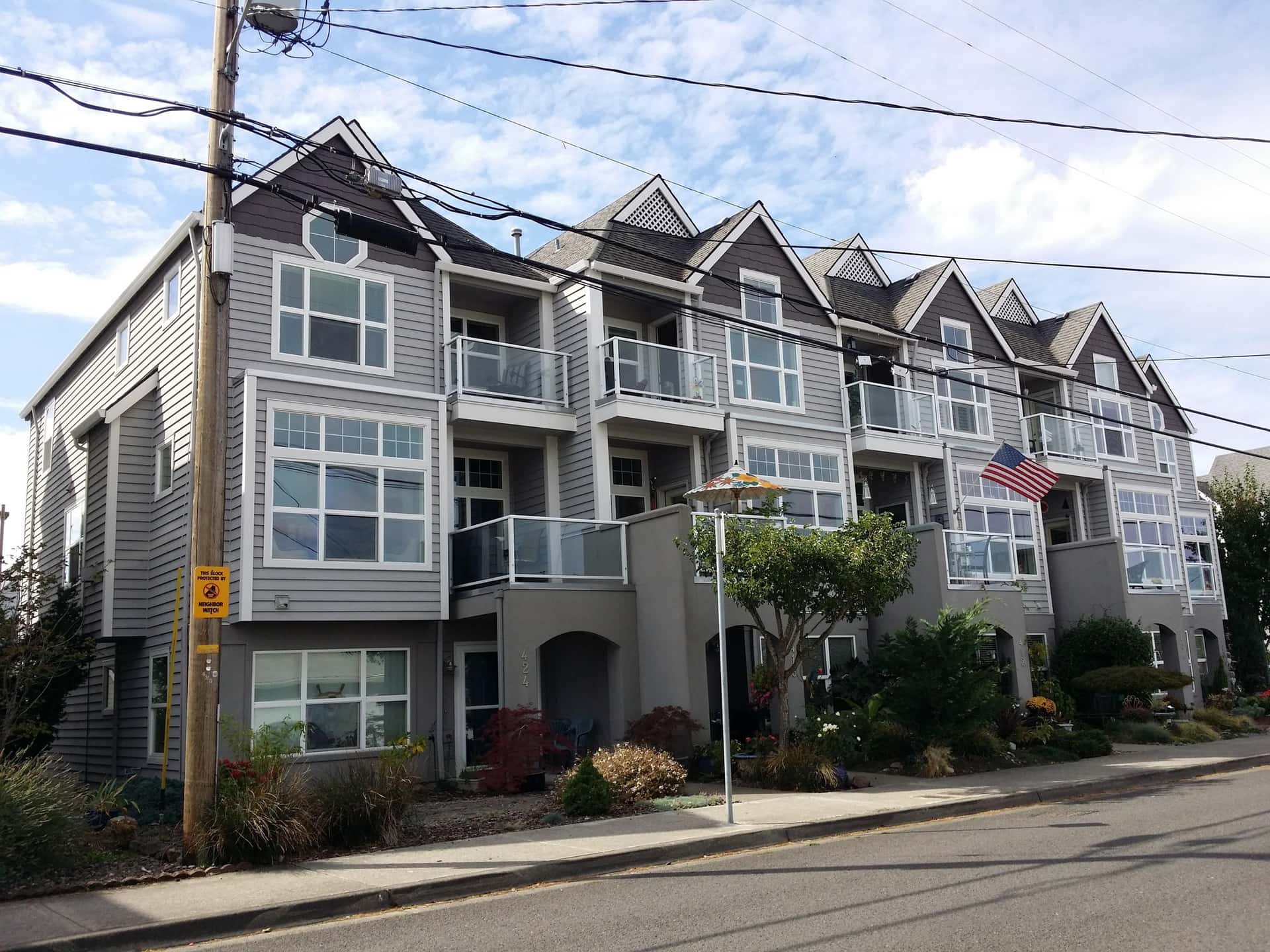
Exterior painting in Portland is possible later in the year than most homeowners expect, but the window narrows fast once fall arrives. Many modern exterior paints can be applied down to about 35°F, yet temperature is only part of the picture. Rain, dew, short days, and surfaces that never fully dry decide whether a fall paint job will last.
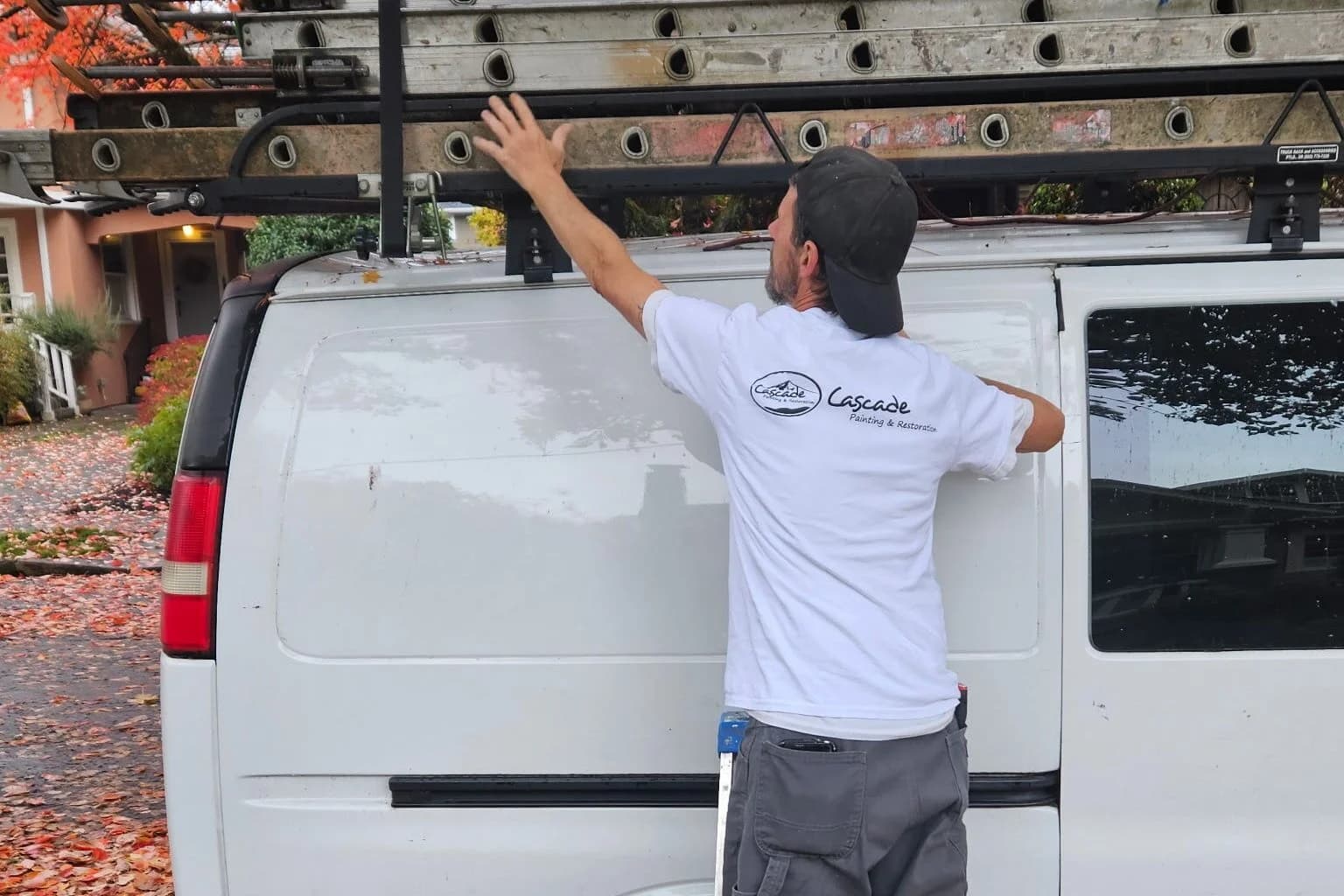
Cascade Painting & Restoration has painted exteriors across the Portland metro area since 1988. We plan every exterior painting project around the weather, and this guide explains how we decide when it is too late in the season, what changes when we paint in cooler months, and how to plan so your house gets painted in the best conditions.
The Short Answer for Portland
The most reliable exterior painting weather in Portland usually runs from late spring through September. July and August are typically the driest months. Most of the region’s annual rainfall arrives between October and May, according to the National Weather Service in Portland.
October can still offer good painting days, especially early in the month. By November, steady rain, cold mornings, and long periods of high humidity make exterior work difficult to schedule and harder to do well. Winter exterior painting is possible on dry stretches, but it is the exception, not the plan.
Minimum Temperature Is Printed on the Can
Every exterior paint has a minimum application temperature on its label. Standard exterior acrylics have often required 50°F. Many premium products are now rated for application down to 35°F, which extends the season by several weeks.
We have had good results in cool, damp weather with Sherwin-Williams Resilience, which is designed to resist moisture sooner after application. Duration and Emerald are also rated for lower temperatures. Low-temperature paint helps, but it does not change the other conditions that affect how paint cures.
The label temperature applies to the air and the surface. Siding in the shade on a 45°F morning may be colder than the air, and it may still be wet from the night before.
Dew Point Matters as Much as Temperature
Dew point is the temperature at which moisture in the air condenses on surfaces. When siding cools to the dew point, a film of water forms on it, even if it has not rained.
Paint applied to a surface that is at or near the dew point can lose adhesion, dry unevenly, or develop surfactant leaching, where sticky, discolored streaks appear on the new finish. A common rule is to paint only when the surface temperature is at least 5°F above the dew point.
In fall, Portland’s dew point often sits close to the air temperature in the morning and evening. That leaves a shorter usable window in the middle of the day, which is why fall jobs take longer to complete.
Short Days Shrink the Workday
In summer, a crew can start early, work through the afternoon, and give each coat hours of warm, dry air before evening. By late October, the sun is low, mornings start wet, and the temperature drops again by midafternoon.
Paint needs time to dry before dew returns at night. If a coat goes on too late in the day, moisture can settle on it before it has cured enough to resist it. In practice, fall exterior work often runs from late morning to midafternoon, with the north and shaded sides of the house scheduled for the warmest part of the day.
Surfaces Must Be Dry Before Painting
Wood siding, trim, and fascia absorb moisture. After several days of rain, the surface may look dry while the wood underneath is still damp. Painting over wet wood traps moisture, which leads to blistering and peeling as it tries to escape.
Before painting, we check moisture content, especially on bare wood, north-facing walls, and areas shaded by trees. Pressure washing also adds water to the siding, so it needs to be planned with enough drying time before prep and paint begin. Our post on why prep work matters in a wet climate covers this in more detail.
Rain Before the Paint Cures
Most exterior paints list a time before they can handle rain. On a warm summer day, that window is short. In cool, humid weather, it stretches.
Rain that hits paint too early can wash off color, leave spots, or cause streaking. In the fall, we watch the hourly forecast, not just the daily one, and we avoid starting a side of the house when rain is expected before the coat has had time to set up.
What Changes When We Paint Late in the Season
A late-season exterior project can turn out well with the right adjustments:
- Product choice. We use paints rated for lower temperatures and faster moisture resistance.
- Daily schedule. Work starts after dew has burned off and stops early enough for the coat to set before evening.
- Sequencing. Sunny sides get painted in the morning sun or afternoon warmth. Shaded sides wait for the best part of the day.
- Flexibility. Rain days pause the work. A fall project usually takes more calendar days than the same project in July.
- Priority repairs. If time runs short, we focus on protecting exposed wood first and can finish full repainting in spring.
The Most Vulnerable Areas Need Extra Attention
In the Northwest, moisture attacks certain parts of a house first: the bottom edges of siding boards, the lowest course of siding near the foundation, chimney chases, window sills, and trim. Moss and mildew also take hold on shaded walls.
Those areas need thorough cleaning, mildew treatment, caulking, and two full coats properly applied. Trim is the most exposed painted surface on a house, so it is worth using the best trim paint available. If wood rot is present, it needs to be repaired before painting. Our carpentry repair service handles rotted siding and trim before the paint goes on.
Spring Is Often the Best Time to Start Planning
Plan early if you want your exterior painted in ideal conditions. Summer fills up quickly, and many homeowners call only after they notice peeling paint in the fall.
Spring often brings excellent painting weather, with moderate temperatures that are neither too hot nor too cold. Getting an estimate in late winter or early spring gives you time to choose colors, settle on a scope, and reserve a slot during the driest part of the year.
Planning a Fall or Spring Exterior Project
If your siding is peeling, your trim is exposed, or you are unsure whether there is still time to paint this year, a walkthrough helps clarify the options. Sometimes a few targeted repairs before winter protect the house until a full repaint can be done in better weather.
Cascade Painting & Restoration paints exteriors throughout Portland and the surrounding metro area. Contact our team for a free estimate. We will look at the condition of your siding and trim and recommend a schedule that fits both the weather and your home.
Related Guides
Recent Blogs
october 16, 2026
How Wall Texture Affects Paint Color, Sheen, and Room Lighting

october 13, 2026
How to Choose a Kitchen Cabinet Color You Will Not Regret
september 25, 2026
Should You Paint Kitchen Cabinets Before or After Repainting the Walls?
september 21, 2026
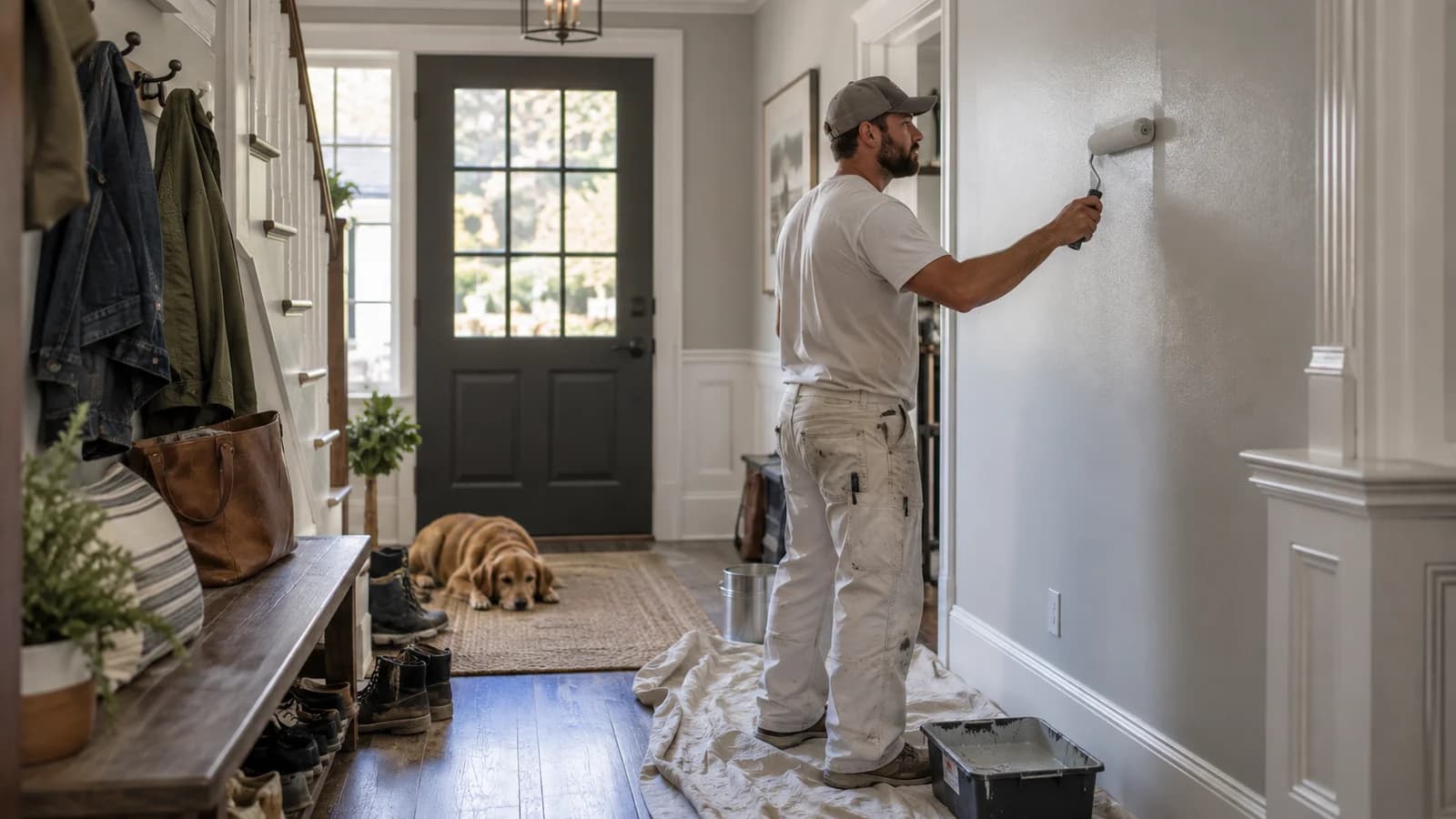
Flat, Eggshell, or Satin: Which Paint Finish Is Best for High-Traffic Rooms?
september 20, 2026
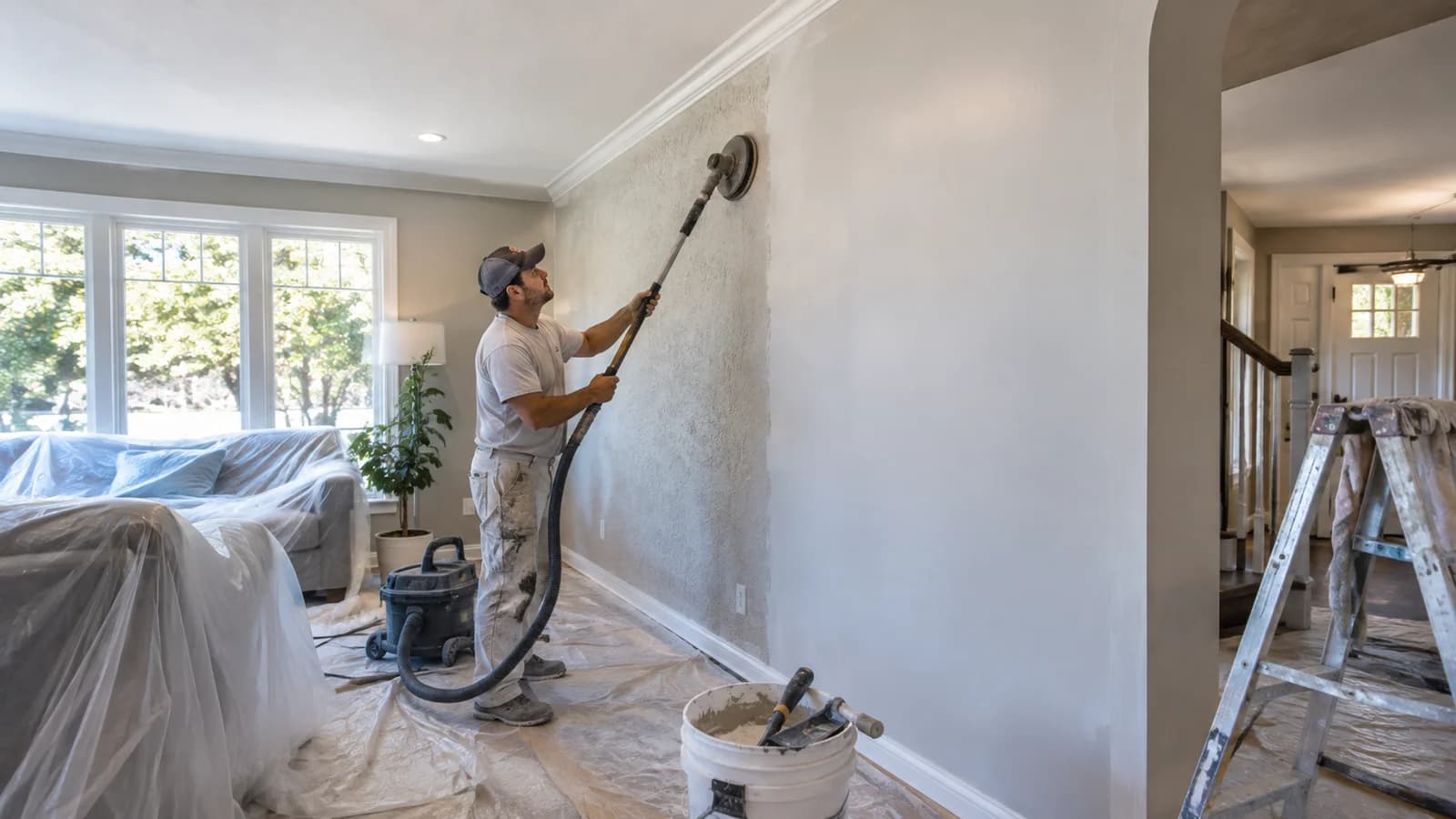
Can You Smooth Textured Walls Without Replacing the Drywall?
Contact Information
Reach out to us for a free estimate. We're here to help with all your painting needs.
- Call At:(503) 936-3255
- Email Us At:cascadepaintandres@gmail.com
- Hours:Mon–Sun 8 AM – 6 PM
- Serving:Portland Metro Area